Gold Price Surge Amid Global Political Turmoil
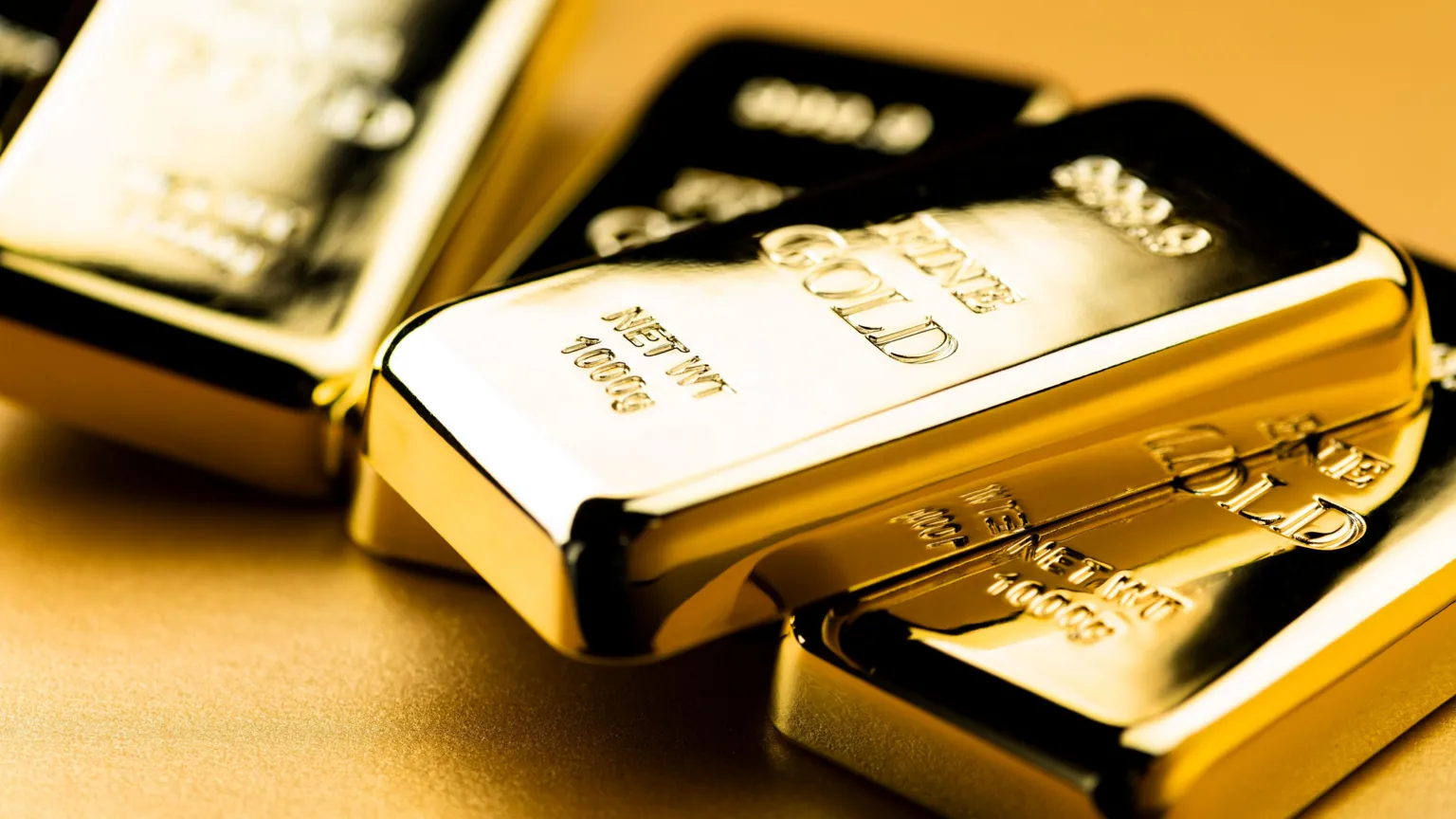
Gold prices have reached record highs, fueled by mounting global political uncertainty and escalating geopolitical tensions. On Monday, the price of gold surged past the $5,000 per ounce mark for the first time, briefly reaching $5,500 before falling back slightly in the following days. Investors have flocked to the precious metal as a safe haven, amid rising concerns about trade wars, political instability, and fears surrounding the US dollar’s strength.
Silver has also experienced a remarkable rally, with its price currently hovering around $98 per ounce, a sharp increase from just $35 per ounce a year ago. Despite recent fluctuations, both gold and silver continue to be attractive options for investors seeking refuge from market volatility.
Trump’s Trade Policies Fuel Gold’s Rise
The surge in gold prices can be largely attributed to the ongoing trade policies of US President Donald Trump, which have created uncertainty in global markets. Trump’s tariffs on countries that do not align with US interests have exacerbated tensions, leading to concerns about the stability of global trade. Emma Wall, Chief Investment Strategist at Hargreaves Lansdown, notes that gold has been in the spotlight due to investors’ concerns over Trump’s unpredictable policies and their potential impact on the economy.
In January 2026, the combination of record highs in gold and silver prices, coupled with falling share prices, highlighted the uncertainty created by Trump’s latest tariff threats. The US president’s decision to target eight European countries opposed to his proposed takeover of Greenland further pushed investors toward precious metals.
Read Also
Amazon Layoffs Impacting Thousands
UPS Job Cuts: A Global Perspective
Keir Starmer’s Political Rise Amidst Crisis
Gold’s appeal as a safe investment has only been heightened by ongoing geopolitical crises, such as the wars in Ukraine and Gaza. The US seizure of Venezuelan President Nicolás Maduro’s assets and Trump’s Greenland threats have intensified political instability and undermined confidence in the US dollar. This has driven further interest in precious metals, as investors seek assets that are less susceptible to political and economic shifts.
Central Banks Driving Demand for Gold
Central bank activity has also played a significant role in pushing up gold prices. Many central banks have turned to gold as a reserve currency, favoring it over the US dollar to reduce dependence on US economic policies. Wall notes that some countries have observed the US’s actions against Russia and are now more inclined to hold gold as a neutral reserve. This shift in strategy has added to the demand for gold, further fueling its price increase.
China, the world’s largest buyer of gold, has contributed to this surge, as both individual buyers and investors in the country purchase the metal in large quantities. Western investors, too, have sought to capitalize on the growing gold market, with investments flowing into firms that own and trade gold. Additionally, digital currency company Tether has made significant gold purchases, even surpassing the reserves of some small countries.
Price Volatility and Geopolitical Tensions
Despite the recent rally, gold prices have shown volatility, falling below $5,000 an ounce on Friday after news that Trump might nominate Kevin Warsh as the next US Federal Reserve Chairman. Warsh is seen as a less controversial candidate than others, which caused a temporary easing of pressure on gold prices. However, the overall trend remains upward, with gold prices still 65% higher than this time last year, driven by ongoing geopolitical tensions and trade concerns.
Nicholas Frappell, global head of institutional markets at ABC Refinery, explains that gold’s appeal lies in its scarcity and independence from other financial assets. Unlike bonds or equities, gold does not rely on the performance of a company or government, making it an ideal diversifier in an uncertain global environment.
Despite recent price fluctuations, gold and silver remain attractive options for investors seeking stability amid the unpredictable political landscape and economic challenges posed by the Trump administration’s policies. Gold’s enduring appeal as a safe haven asset suggests it will continue to play a key role in the investment portfolios of both individuals and institutions.
Read Also
China-Canada Trade Deal: What It Means
US Rare Earths Firm Makes Major Move