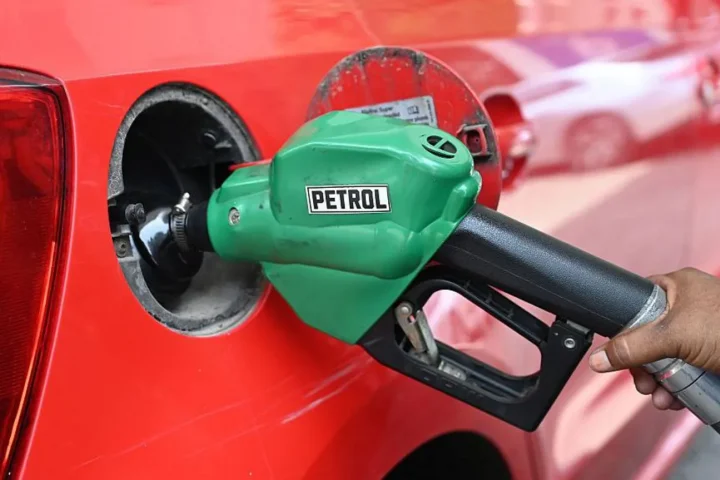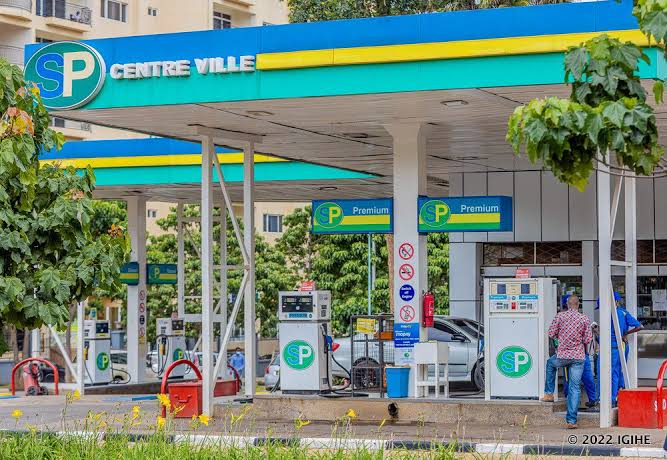
Rwanda fuel prices have surged after authorities raised petrol costs to RWF2,938 per litre, reflecting growing pressure from global oil markets. The increase, however, comes with a policy decision to keep diesel prices unchanged, a move aimed at protecting transport and economic activity.
The adjustment follows renewed volatility in global energy markets, where supply concerns linked to geopolitical tensions continue to drive prices upward. For import-dependent economies like Rwanda, these shocks translate quickly into higher local fuel costs.
Rwanda fuel prices rise under regulated system
Rwanda fuel prices operate within a state-controlled framework, unlike liberalised markets. The government sets price caps through regulatory agencies, allowing it to balance inflation control with economic stability. As a result, petrol and diesel can be adjusted differently depending on national priorities.
The Rwanda Utilities Regulatory Authority announced the latest revision on April 16, with new prices taking effect the following day. Petrol rose sharply from about RWF2,303 earlier in the month to RWF2,938 per litre, marking a significant increase within a short period.
Meanwhile, diesel remains unchanged at RWF2,205 per litre. This decision reflects targeted intervention to support sectors that rely heavily on diesel, including public transport and logistics.
Read Also
Kampala-Jinja Highway Fire Disrupts Traffic
Why diesel remains stable despite Rwanda fuel prices rise
Authorities have maintained diesel prices to cushion essential services. Since buses, trucks, and commercial vehicles depend on diesel, any increase would quickly affect transport fares and the cost of goods. Therefore, keeping diesel stable helps limit broader economic disruption.
According to regulators, the decision is part of a wider strategy to manage the impact of global price shocks. While petrol users face immediate cost increases, the unchanged diesel price ensures that economic activity continues with minimal disruption.
This approach also aims to prevent a ripple effect across supply chains. Without such intervention, rising transport costs could push up food prices and other basic goods.
Read Also
High Court Halts Safaricom Stake Sale
Global pressures behind Rwanda fuel prices increase
The spike in Rwanda fuel prices reflects wider global trends. Oil markets have remained volatile due to tensions in key producing regions, particularly in the Middle East. These disruptions have tightened supply expectations and increased costs across international markets.
In addition, shipping routes such as the Strait of Hormuz face heightened risks, increasing freight and insurance costs. Consequently, countries that rely on imported fuel, including Rwanda, face higher import bills.
Recent developments have shown how quickly these global shifts affect local economies. Even small disruptions can trigger significant price adjustments in a short time.
Read Also
Oil Prices Fall as Iran Talks Ease Supply Fears
Regional outlook as Rwanda fuel prices climb
Across East Africa, fuel prices have risen steadily in recent weeks. Rwanda now ranks among the higher-cost markets for petrol, reflecting both global trends and domestic pricing policies.
In Kenya, petrol averages around Shs5,871 per litre, while Uganda remains slightly lower at approximately Shs5,244. Diesel prices in both countries remain relatively stable, though localized increases have been reported.
Ethiopia continues to post lower fuel costs, while Burundi remains moderately priced. These variations highlight how different policy choices and supply systems shape local outcomes.
Read Also
Australia Fuel Crisis Deepens as Prices Surge
Policy strategy shapes economic impact
Rwanda’s pricing approach demonstrates how governments can balance competing pressures. By increasing petrol while stabilizing diesel, authorities aim to protect critical sectors without fully shielding consumers from global realities.
RURA has encouraged the public to adapt by reducing unnecessary travel and using shared transport where possible. These measures can help individuals manage rising costs during periods of market volatility.
At the same time, regulators have pledged to continue monitoring global trends. Their goal remains to maintain fair pricing, ensure stable supply, and support economic resilience as Rwanda fuel prices continue to respond to international dynamics.