
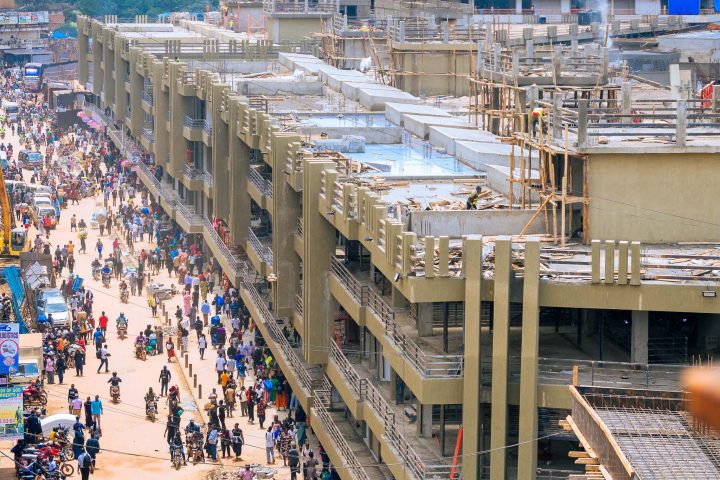
Uganda Economy on Uganda Wall Street covers the forces shaping national growth, public policy, investment, trade, jobs, inflation, taxation, infrastructure, and long-term development. This category provides clear and serious reporting on how economic decisions affect businesses, households, investors, workers, government institutions, and Uganda’s position within East Africa and the global economy.
Uganda’s economy is shaped by agriculture, services, manufacturing, energy, tourism, construction, trade, finance, technology, and public investment. Each sector contributes to national income, employment, productivity, and competitiveness. This section follows the data, policies, institutions, and market conditions that influence economic performance, from budget decisions and tax reforms to inflation trends, exchange rates, debt management, business confidence, and regional trade.
Readers can expect coverage of GDP growth, government spending, monetary policy, fiscal policy, public debt, private sector activity, employment trends, investment flows, exports, imports, cost of living, infrastructure financing, and economic reform. The category also examines how global developments, commodity prices, climate shocks, regional integration, donor funding, and international markets affect Uganda’s economic outlook.
Uganda Economy is designed for readers who want reliable context beyond daily headlines. It explains what economic indicators mean, why policy choices matter, and how national trends connect to business decisions and personal finances. The coverage remains accessible to general readers while offering enough depth for executives, investors, analysts, students, policymakers, and professionals.
By connecting data with real-world impact, Uganda Wall Street’s Economy category provides a trusted editorial home for understanding Uganda’s growth story. It treats the economy not as abstract numbers, but as the foundation of opportunity, stability, competitiveness, and national development.
How a Flood-Prone Drainage Channel Was Transformed into a Modern Urban Infrastructure Corridor KAMPALA—UGANDA | In the commercial heart of Kampala, where markets and transport corridors converge, a drainage channel long associated