How a Flood-Prone Drainage Channel Was Transformed into a Modern Urban Infrastructure Corridor
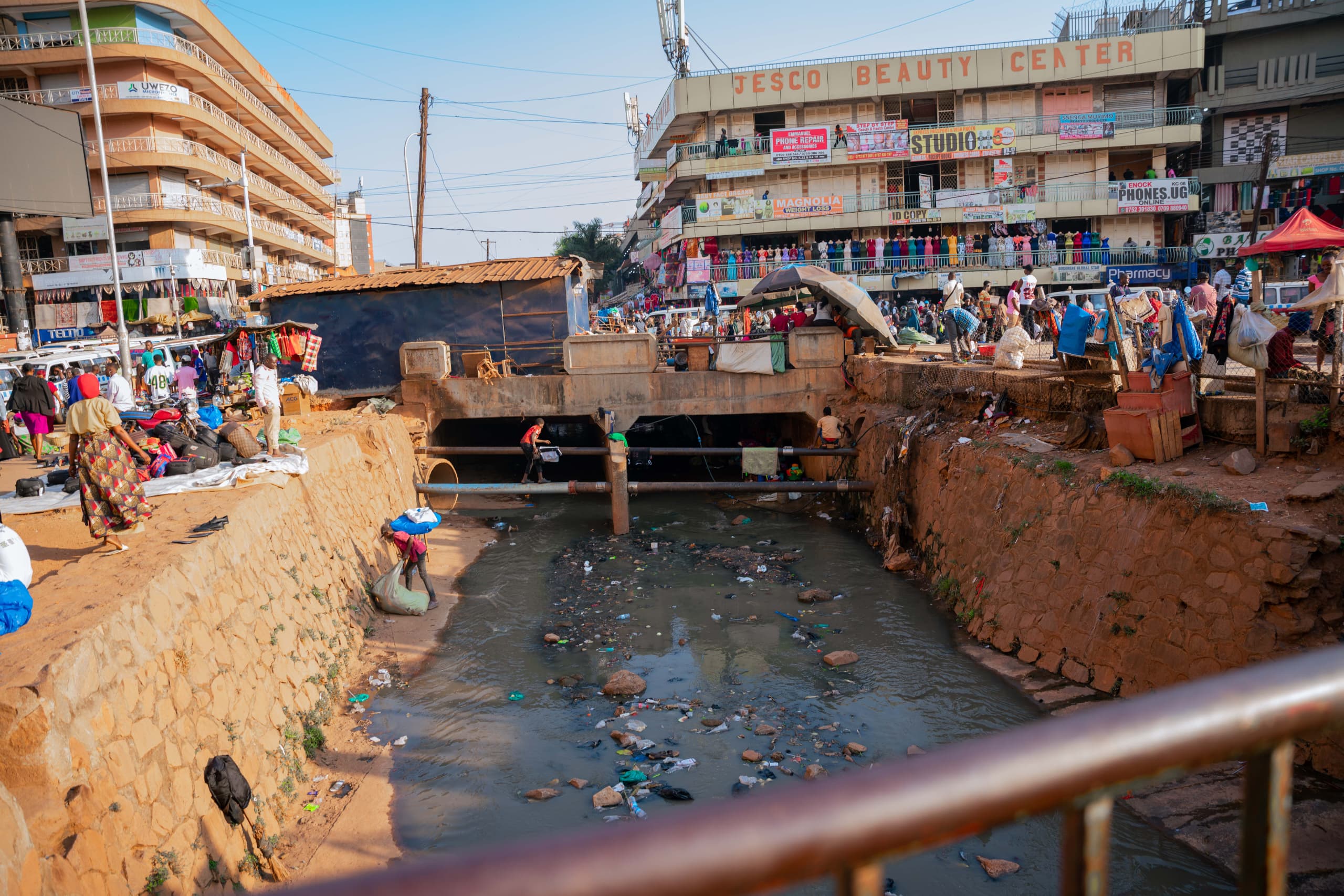
KAMPALA—UGANDA | In the commercial heart of Kampala, where markets and transport corridors converge, a drainage channel long associated with seasonal flooding once cut visibly through the city’s busiest trading zones. For decades, Nakivubo Channel was a six-meter trench carrying stormwater and wastewater toward the wetlands fringing Lake Victoria. During heavy rains it spilled into surrounding streets and markets; in dry seasons it accumulated silt and debris, often worsened by solid waste entering the drainage system. By the early 21st century, the channel was operating at the edge of its design limits.
Today, that channel is no longer six meters wide. It is twelve.
What was once a single narrow passage has been expanded into a dual-lane system: two six-meter corridors engineered to carry water with greater capacity and redundancy. Reinforced and covered, illuminated and painted, the corridor now resembles less a drainage ditch and more a controlled underground boulevard.
The redevelopment, led by Ugandan businessman Dr. Hamis Kiggundu in coordination with the Kampala Capital City Authority and relevant government bodies, represents one of the most ambitious structural interventions undertaken along Nakivubo in recent decades.
But the transformation is not only technical. It is spatial and economic.
Across rapidly expanding African cities, aging drainage systems are increasingly being redesigned not only for flood control but also for urban land optimization. Projects that combine infrastructure rehabilitation with commercial redevelopment have become a growing feature of city planning debates. In Kampala, the reconstruction of Nakivubo Channel is emerging as one of the most visible examples of that approach.
From Six Meters to Twelve
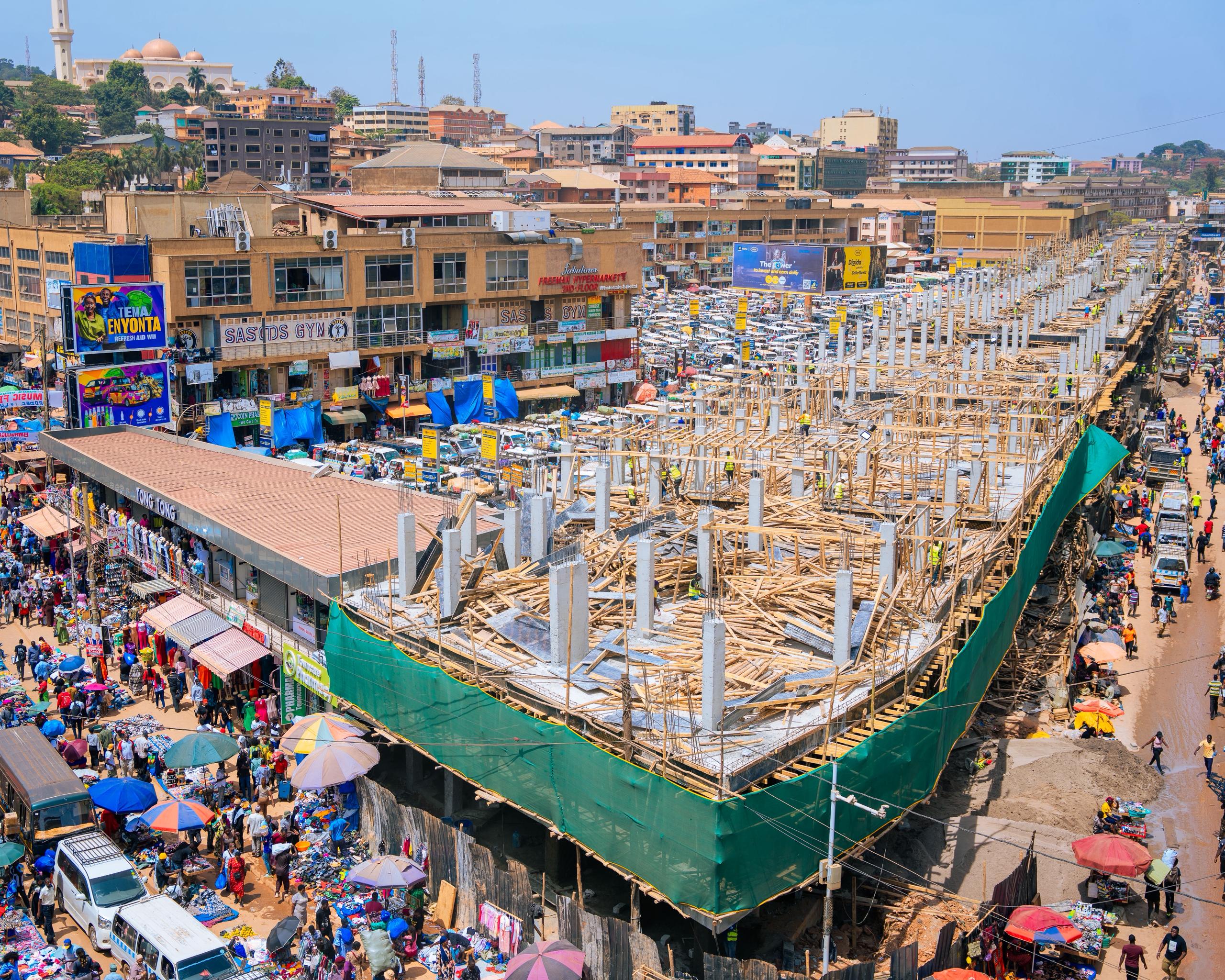
Beyond its engineering significance, the redevelopment also reflects a broader shift in how Kampala is approaching legacy infrastructure. Rather than treating drainage corridors solely as utilities, planners and developers are increasingly integrating them into the city’s commercial landscape, turning previously underutilized spaces into organized economic corridors.At the center of that transformation lies a fundamental engineering change. The most consequential shift is numerical: the channel’s width has effectively doubled. Engineers expanded the original six-meter span into two parallel six-meter lanes, increasing hydraulic capacity and improving flow management during peak rainfall.
Beyond the expanded width, the system incorporates silt traps, catchment sections and reinforced structural walls designed to stabilize flow and reduce blockages. Modern lighting systems line the interior. Officials and contractors describe the illumination as calibrated to simulate daylight, allowing technical teams to enter and inspect the corridor without the sense of descending into a subterranean drain.
Access points now permit engineers and city technical directors to monitor the channel directly. The interior is painted, organized, and visibly maintained. The redesign shifts Nakivubo from reactive clearance to active management.
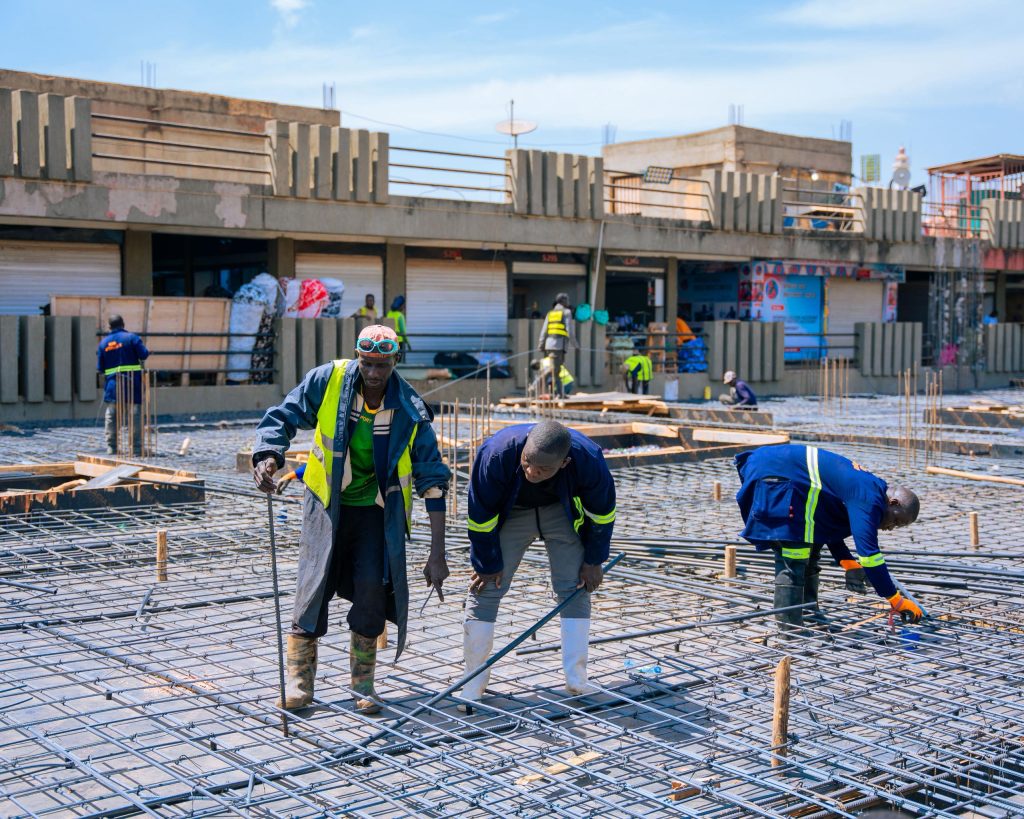
During construction, seasonal downpours tested the works in progress. There were moments of localized flooding under exceptional rainfall, conditions that have historically strained much of Kampala’s drainage grid. However, during the heavy rains recorded in December 2026 and the recurring rainfall throughout February and early March, no flooding has been observed along the redeveloped corridor or across much of the wider Nakivubo area, indicating improved stormwater flow in central Kampala. The expanded dual-lane capacity appears to be absorbing flows that once breached the surface, offering an early indication of the system’s improved drainage performance.
Earlier in the project, some urban hydrologists cautioned that the system’s effectiveness would only become clear during sustained rainy seasons. The recent sequence of heavy downpours—first in December and then through the continuing rains of January, February and March—has therefore become an early real-world test. While long-term performance will ultimately be judged across multiple rainfall cycles, the initial evidence suggests that doubling the channel’s width from six meters to a dual-lane twelve-meter corridor has significantly increased its capacity to convey stormwater through Kampala’s central commercial district.
Building Above the Channel
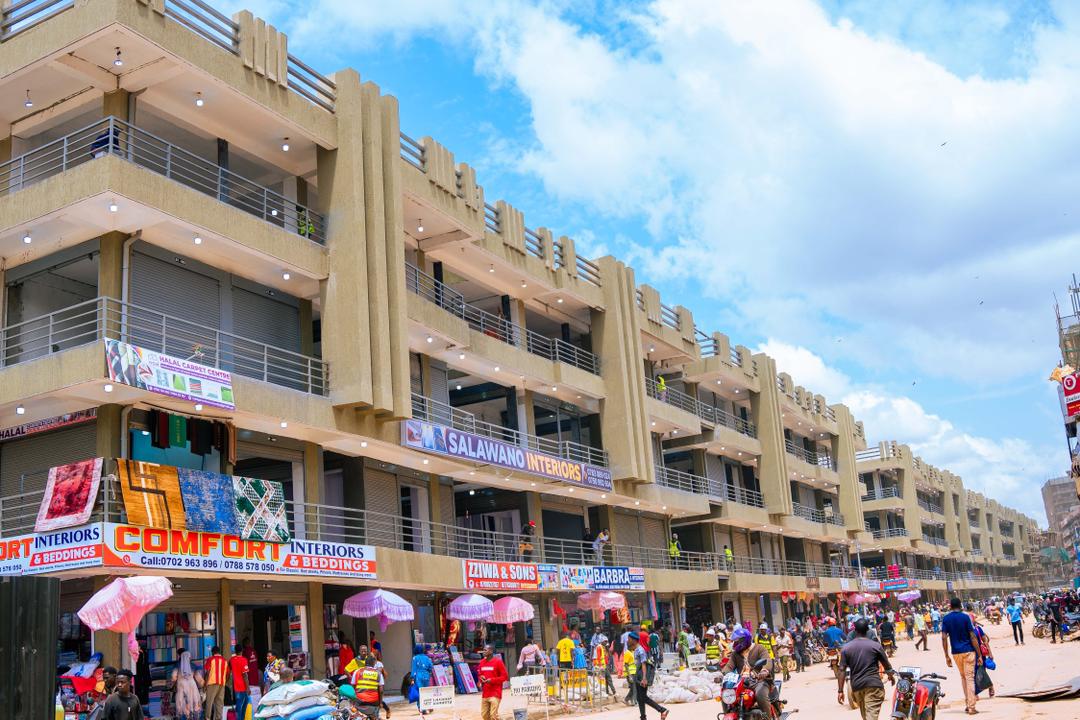
The intervention does not end below ground.
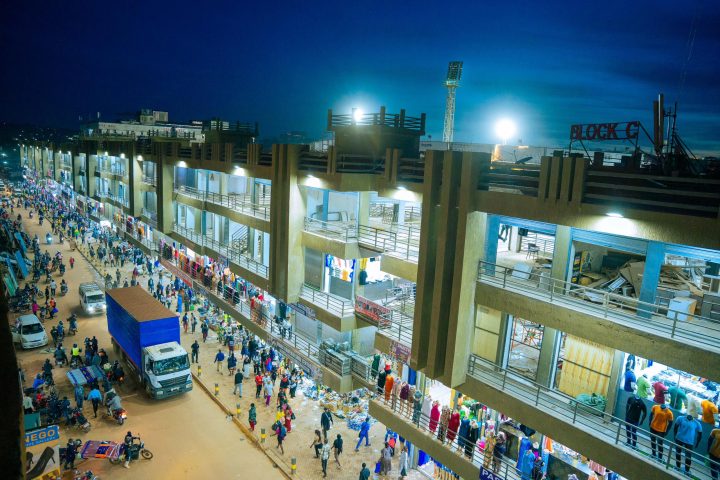
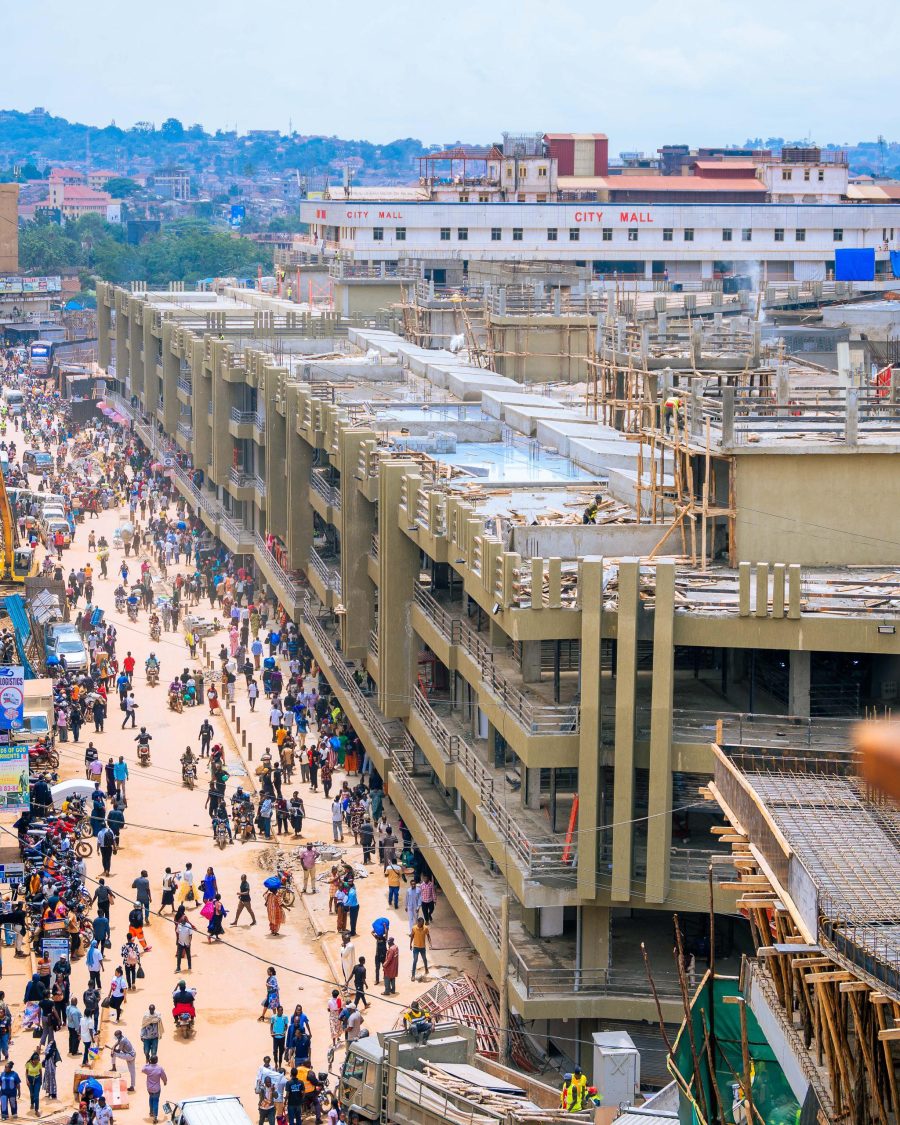
Above the covered corridor, approximately 1.5 kilometers of built-up commercial structures have emerged in the central business district. The development is structured in blocks, each typically rising three levels above the ground. The ground level hosts dense clusters of retail units; upper levels extend commercial capacity vertically whereas thr rooftop parking for the tenants cars.
Where open drainage once constrained movement and informal trading, modern shopfronts now form continuous commercial corridors. Construction remains ongoing, but the first phase has already reshaped the visible landscape of the CBD stretch.
The channel itself extends from Makerere toward Luzira. For now, redevelopment has concentrated on the CBD segment, described as Phase One. Subsequent phases are expected to address remaining sections along the broader corridor, potentially replicating the widened, dual-lane model.
Revenue and the Multiplier Effect
The redevelopment’s economic implications extend beyond engineering.
At the local level, every operational shop requires licensing through the city authority. A higher concentration of formalized units translates directly into increased licensing revenue for the city administration.
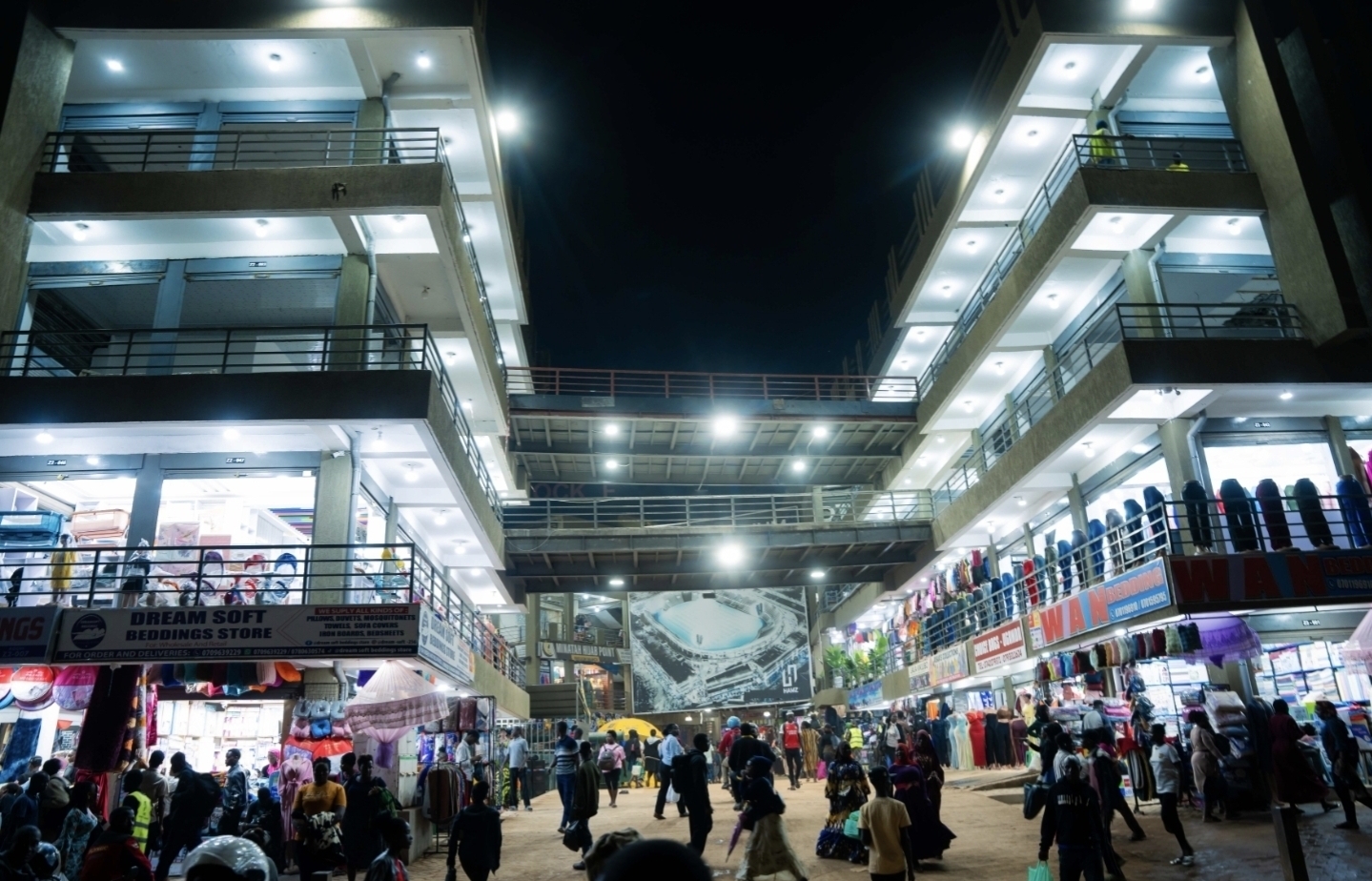
At the national level, commercial occupancy triggers additional fiscal flows. Retailers importing goods into Uganda contribute customs duties and import taxes collected by the Uganda Revenue Authority. As inventory volumes increase, so too does tax intake associated with cross-border trade.
Beyond taxation, the employment effect is immediate and visible. Shopkeepers, sales executives, cleaners, logistics handlers, and security personnel populate the new corridors. Ancillary services, from transport to food vendors, cluster around the commercial density.
Economists often describe such infrastructure-linked retail corridors as revenue multipliers. Construction generates temporary jobs; commercial occupancy creates longer-term employment; trade flows expand tax bases; formalization strengthens regulatory oversight.
Whether these gains scale proportionately will depend on occupancy rates, consumer demand, and macroeconomic stability. But the shift from open trench to taxable commercial frontage is structurally significant.
A Test of Urban Integration
Nakivubo’s history is closely entwined with Kampala’s urban growth pains. Originally designed in a different era, the channel came to bear the burden of rapid urbanization, informal settlement expansion, and limited waste-management infrastructure.
The redevelopment reframes the channel as both utility and asset. By covering and reinforcing it, planners have effectively integrated drainage with land-use optimization in one of the city’s most commercially valuable corridors.
The model raises questions common to fast-growing cities: Can essential environmental corridors coexist with intensive commercial build-out? Will maintenance regimes remain robust as surface activity intensifies? Can hydrological resilience be sustained across climate variability?
City technical teams now have physical access to monitor flow conditions beneath the structures. The presence of lighting, inspection pathways, and reinforced partitions suggests an attempt to institutionalize long-term oversight rather than episodic repair.
Flood Control and Climate Reality
Kampala’s flooding challenges are not confined to Nakivubo. They are linked to wetland encroachment, upstream development, and changing rainfall intensity patterns.
In that context, doubling channel width from six to twelve meters represents a structural hedge against future peak events. Yet engineers acknowledge that no single corridor can eliminate systemic flood risk if upstream pressures persist.
The broader question is whether Nakivubo’s redesign becomes part of a coordinated basin-wide strategy, or remains a localized intervention.
Early performance during the current rainy season suggests improved resilience along the redeveloped corridor. Sustained monitoring over multiple years will determine whether the channel’s expanded capacity translates into durable flood mitigation.
Phase One of a Longer Corridor
The Nakivubo system extends well beyond the CBD. If subsequent phases replicate the widened, dual-lane configuration along additional segments, the cumulative hydrological impact could be substantial.
Urban planners note that phased infrastructure projects often serve as proof of concept. Phase One demonstrates technical feasibility and economic absorption. Later phases test scalability.
For Kampala, the redevelopment signals a pivot from exposure to integration. What was once a visible symbol of infrastructural strain is now largely concealed beneath organized commercial frontage.
Beneath the Surface, a Different Geometry

Stand at street level and the channel is invisible. Descend through access points and the geometry changes: two broad lanes, illuminated, painted, structured, carrying water through engineered confinement.
The contrast between past and present is measurable in meters: six widened to twelve. It is visible in lanes: one multiplied into two. It is evident in revenue streams: informal margins shifting toward licensed commerce.
Yet the true measure of Nakivubo’s transformation will not be the brightness of its lights or the height of its shops. It will be the durability of its flow, the consistency of its maintenance, and the steadiness of its economic contribution.
Urban infrastructure rarely makes headlines unless it fails. Nakivubo’s redesign invites a different narrative — one in which a city attempts to outgrow the limitations of its past geometry and engineer a broader channel for its future growth.