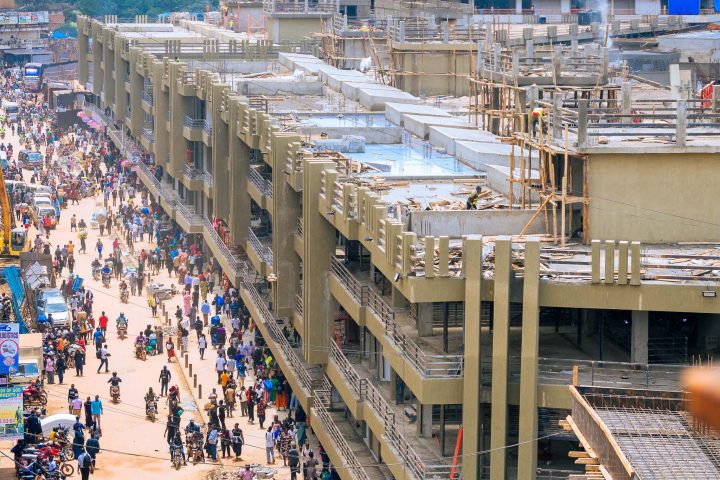
Urban Development on Uganda Wall Street covers the planning, investment, infrastructure, housing, transport, and policy decisions shaping Uganda’s cities and fast-growing urban centers. This category focuses on how urban growth affects business activity, real estate, public services, mobility, land use, construction, sustainability, and long-term economic development.
Uganda’s urban landscape is changing as population growth, migration, investment, entrepreneurship, and infrastructure expansion reshape cities and municipalities. Kampala and other urban centers are increasingly important engines of commerce, employment, finance, technology, education, hospitality, and consumer demand. As cities grow, issues such as housing supply, road networks, public transport, drainage, utilities, waste management, zoning, land regulation, and service delivery become central to economic competitiveness and quality of life.
Readers can expect coverage of city planning, housing projects, transport systems, infrastructure upgrades, municipal finance, smart city initiatives, real estate development, urban policy, construction trends, public-private partnerships, and sustainability efforts. The category also examines challenges such as congestion, informal settlements, land disputes, affordability, environmental pressure, and the cost of urban infrastructure.
Urban Development is designed for readers who want clear insight into how cities influence economic opportunity and national growth. It connects planning decisions with investment, business expansion, property markets, infrastructure delivery, and public services.
By linking urban growth with finance, real estate, transport, infrastructure, and policy, Uganda Wall Street’s Urban Development category provides a trusted editorial home for understanding how Uganda’s cities are being built, managed, and transformed for the future.