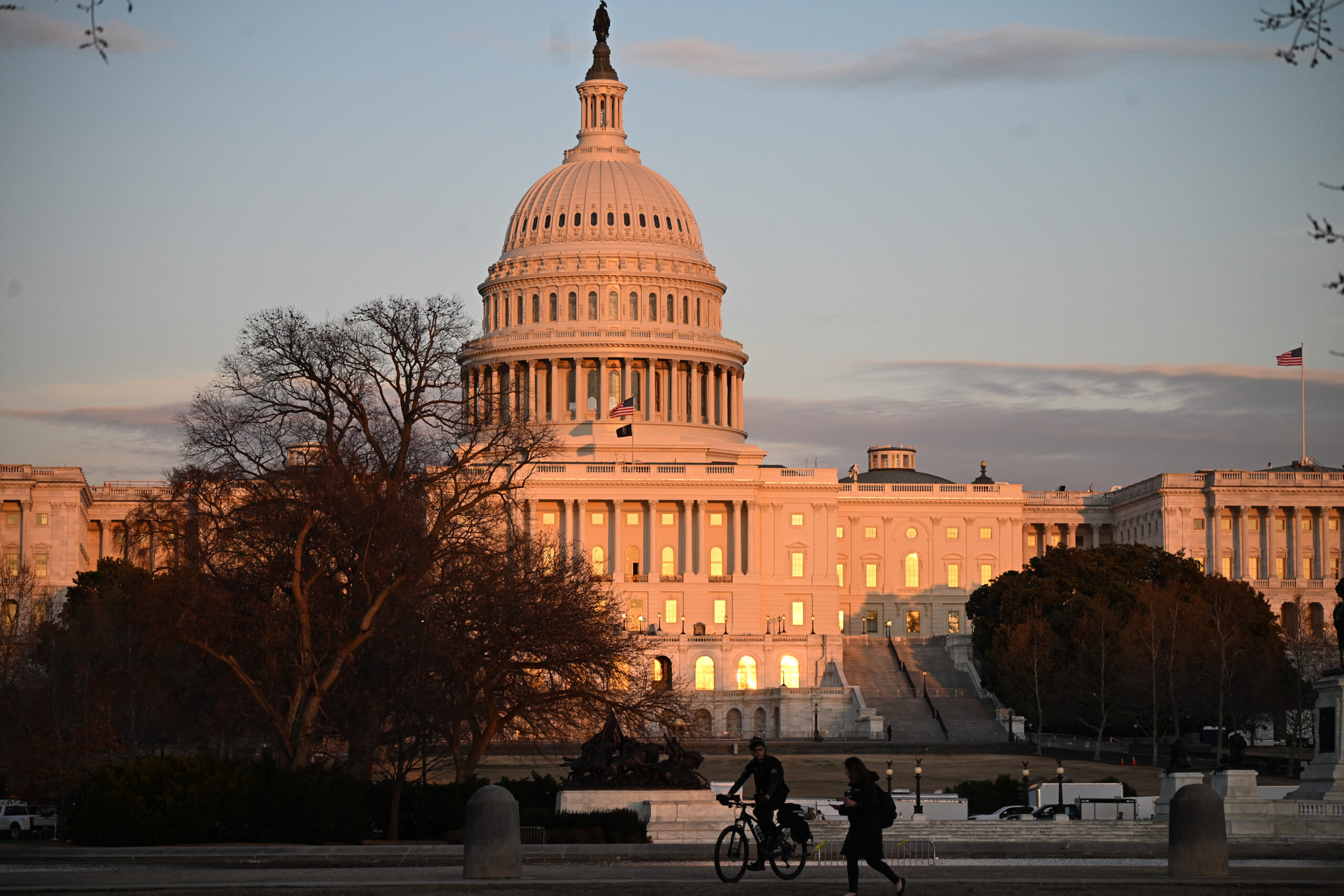
The US House of Representatives has passed a three-year extension of the African Growth and Opportunity Act (AGOA). This trade initiative allows African countries tariff-free access to the US market. The House voted 340 to 54 in favor of the extension, which now moves to the Senate for approval. The extension provides continued access for African manufacturers, ensuring long-term stability in trade relations between the US and Africa.
What the AGOA Extension Means for Africa
The extension will continue to benefit African countries by giving them access to the US market without tariffs. Before this, 32 African countries were benefiting from the act. However, the Trump administration let the act expire in September, causing uncertainty for African exporters. The new extension, if passed by the Senate, will last until December 31, 2028. This will allow African businesses to confidently trade with the US.
The Impact of AGOA’s Lapse and Renewal
Without the extension, AGOA beneficiaries could lose up to $189 million in exports by 2029, according to the International Trade Centre. Apparel and textile exports, which make up a large part of AGOA trade, would see a 10% drop. The extension will allow businesses that continued exporting to the US after the expiration to apply for refunds on tariffs they paid.
Bipartisan Support for AGOA’s Renewal
The AGOA extension has gained widespread bipartisan support. Kenyan Foreign Affairs Principal Secretary Korir Sing’Oei welcomed the move, calling it a positive step for US-Africa trade relations. He also expressed confidence that the Senate would approve the bill.
Democratic Congresswoman Terri Sewell also praised the extension. She described it as a “big win” for US-Africa economic ties. “This legislation will create jobs, foster economic growth, and strengthen the bonds between the US and Africa,” she said. The bill is now expected to pass in the Senate, further enhancing the partnership between the US and Africa.
What’s Next for AGOA and US-Africa Relations
Once the Senate approves the extension, it will ensure that African countries continue to benefit from AGOA until 2028. However, these countries must meet governance and market-based criteria to retain AGOA privileges. Countries that fail to meet these requirements, such as Gabon, Niger, the Central African Republic, and Uganda, have already lost their benefits.
The AGOA extension solidifies US-Africa trade relations. It benefits African exporters and demonstrates the US’s commitment to long-term economic growth in Africa.