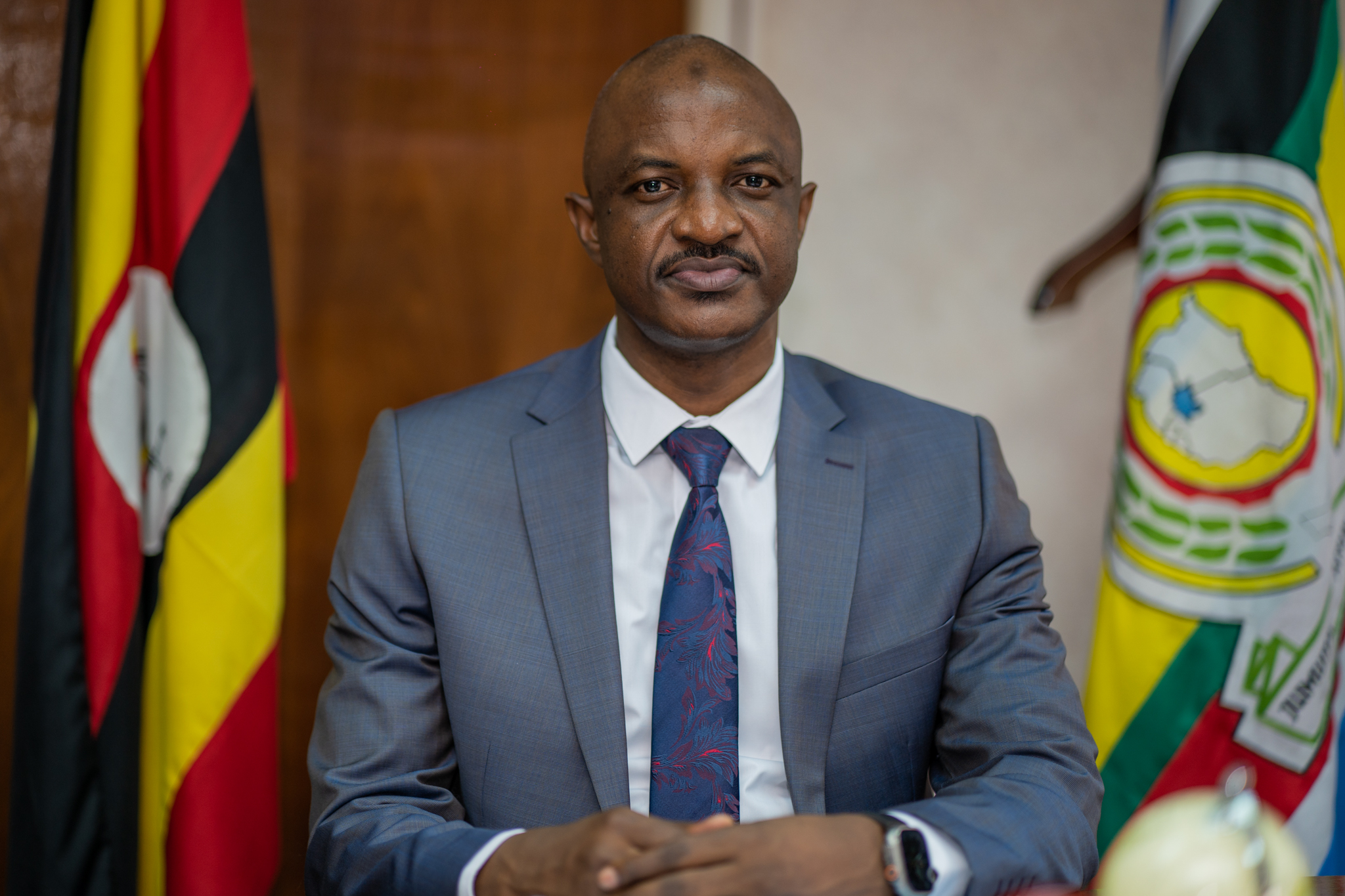
The government has released Shs16.537 trillion for Quarter Three (Q3) of the Financial Year 2025/26, signaling strong confidence in Uganda’s economy.
This release comes at a sensitive time. The country is approaching a national election period, which often brings economic pressure. However, authorities say the outlook remains stable.
According to the Ministry of Finance, Planning and Economic Development, the funds reflect fiscal discipline and careful economic management. The goal is to sustain growth while keeping inflation under control.
As a result, Q3 government spending is expected to support service delivery without destabilising the economy.
Stable Economy Despite Election Pressure
Permanent Secretary and Secretary to the Treasury Ramathan Ggoobi said inflation has remained steady at 3.1 percent for the last two months of 2025.
This trend is unusual during an election cycle. Typically, political spending pushes prices higher. However, this has not happened.
Ggoobi attributed the stability to better coordination between fiscal and monetary policy. He also pointed to disciplined public spending, even as political activity increases.
Because of this, Uganda enters the third quarter with confidence and calm.
Growth Outlook Remains Strong
The Ministry projects economic growth of between 6.5 and 7 percent in FY 2025/26.
This growth is supported by stable prices, steady capital inflows, and improved performance across key sectors.
In addition, investor confidence has remained strong. This has helped shield the economy from both domestic and global shocks.
As a result, Q3 government spending is being rolled out under relatively stable macroeconomic conditions.
Breakdown of Q3 Spending
Out of the Shs16.537 trillion released:
- Shs2.175 trillion has been allocated to wages
- Shs2.898 trillion to non-wage recurrent expenditure
- Shs514 billion to government development programmes
Meanwhile, external financing accounts for Shs3.277 trillion.
In addition, Shs7.591 trillion has been set aside for treasury operations, while Shs82 billion will come from local revenue.
This structured allocation aims to balance consumption, investment, and financial obligations.
Strong Inflows Support the Economy
Recent data from the Ministry shows encouraging trends.
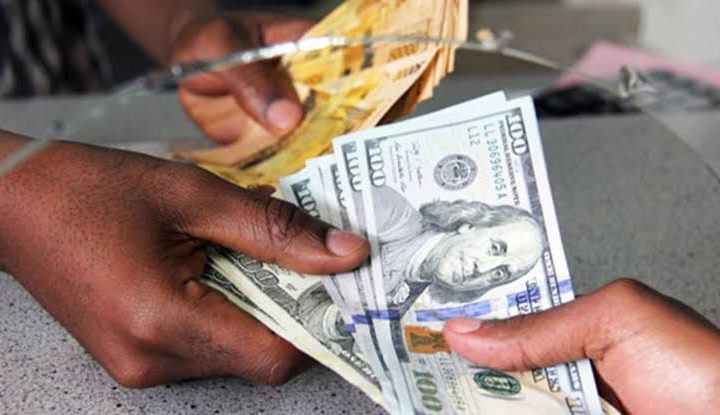
Foreign Direct Investment (FDI) rose to $3.5 billion in the year ending October 2025. At the same time, portfolio inflows reached $1.7 billion.
Remittances have also increased. They rose to $1.6 billion in FY 2024/25, up from $1.1 billion in FY 2020/21.
Tourism receipts added further support, reaching $1.7 billion in FY 2024/25.
Together, these inflows have strengthened foreign exchange reserves and boosted economic confidence.
Oil Sector Gets Priority Funding
As Uganda prepares for first oil, government has allocated Shs469.69 billion in Q3 to fast-track the sector.
The funding will support upstream infrastructure, oil and gas roads, and regulatory oversight.
According to Ggoobi, timely execution of these investments is critical. They will unlock economic growth, increase government revenues, and boost export earnings.
Therefore, oil remains a key pillar within Q3 government spending priorities.
Economy Positioned for Resilience
Despite global uncertainties and election-related pressures, the Ministry says Uganda is well positioned.
Sound policy management has helped maintain stability. At the same time, improved coordination across institutions has reduced economic risk.
Government’s medium-term goal remains clear. It aims to achieve double-digit economic growth while keeping inflation low.
If current trends hold, Uganda is expected to navigate the election period without major economic disruption.
Also read: Uganda’s economy to grow by 7%
The release of Shs16.537 trillion for Quarter Three reflects confidence, discipline, and stability.
With inflation under control, inflows rising, and oil development advancing, Q3 government spending is set to play a critical role in sustaining growth.
Also Read: How Uganda’s Tax System Can Be Reformed to Boost Small Business Growth
As the country moves closer to polling day, key indicators suggest Uganda’s economy remains steady and resilient.