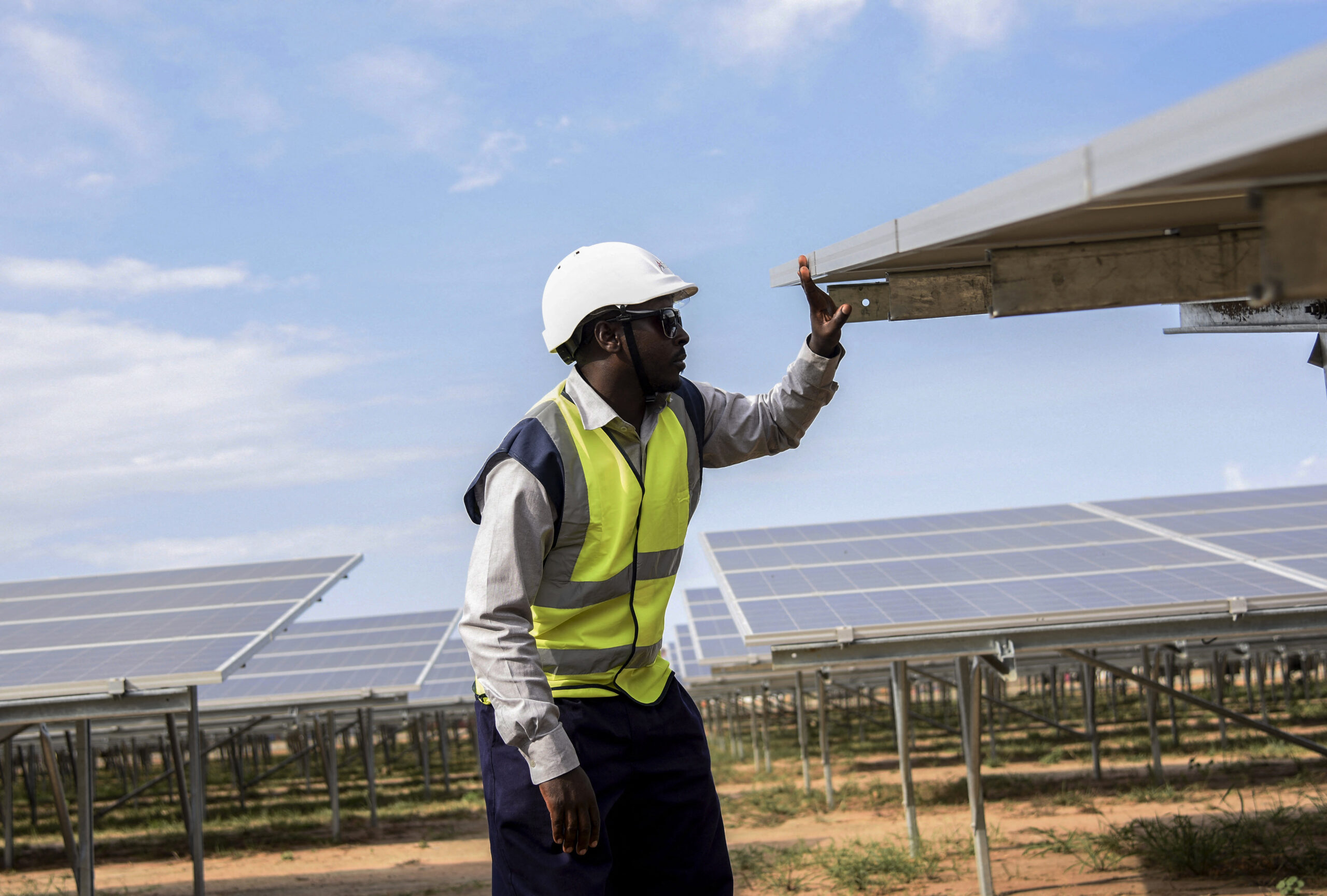
Uganda is transforming its energy sector. With only 28% of the population connected to the national grid, the country faces significant energy challenges. However, Uganda is using oil profits to fuel its renewable energy transition. This strategy aims to tackle energy poverty and set Uganda on a path toward a sustainable energy future.
The government is taking action to bridge the energy gap. Oil revenues are being channeled into renewable energy projects, such as solar and wind power. The East African Crude Oil Pipeline, nearing completion, will generate funds that support these green energy projects. This approach reflects a responsible use of fossil fuel revenue to build a cleaner, greener future.
Using Oil Profits to Fund Renewable Energy
Uganda is financing its renewable energy growth with oil profits. The government is clear about its plan: the country will use oil revenues to fund the transition to clean energy. Oil wealth is supporting key projects, such as expanding the national grid and investing in solar and wind energy. This approach enables Uganda to address energy poverty while working toward carbon neutrality by 2050.
The East African Crude Oil Pipeline will be a major source of funding for Uganda’s green ambitions. The pipeline project is critical to financing energy infrastructure. The government is positioning this oil wealth not as a retreat into fossil fuels but as a bridge to a sustainable energy future.
State-Controlled Distribution and Energy Access
The Ugandan government has taken control of energy distribution to improve access. In April 2025, the government ended its partnership with Umeme, a private energy distributor. The state-owned Uganda Electricity Distribution Company Limited (UEDCL) now manages energy distribution. As a result, Uganda added over 648,000 new connections within six months. Energy losses also dropped from 19.1% to 16.8%. These improvements show that state-led management can increase energy access and efficiency.
The government’s shift toward state control also makes energy more affordable. Rural areas, where grid access is particularly low, will benefit most from this change. The average $11.23 inspection charge is a significant barrier for many households. By reducing these costs, the government is making electricity more accessible to all.
Regional Energy Integration and Investment Opportunities
Uganda is working with neighboring countries to improve energy access. The Zambia-Tanzania-Kenya interconnector helps share surplus power across borders. This regional integration reduces the risks of large energy projects and expands the customer base. By connecting Uganda to the wider East African power grid, the country stabilizes its energy market and provides reliable electricity to neighboring nations.
This cooperation also attracts investors. Uganda is positioning itself as a key player in Africa’s renewable energy market. Regional cooperation creates a more stable energy environment, which encourages investment in clean energy infrastructure.
Investing in Africa’s Renewable Future
Uganda’s approach to using oil profits for renewable energy projects is a model for other African nations. It shows how countries can responsibly use natural resources to fund clean energy initiatives. As Africa’s energy market grows, more nations are following Uganda’s lead by leveraging their natural resources to support renewable energy.
Global investment in Africa’s energy sector is increasing. The European Union’s Global Gateway has pledged €150bn for renewable infrastructure in Africa. Nigeria also targets $410bn in renewable energy investments. With Uganda’s energy transition gaining momentum, it will attract even more investment in renewable projects, further accelerating Africa’s green development.