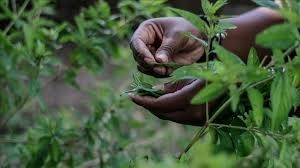
In a remarkable development, Ugandan researchers have unveiled a herbal drug showing promise in the treatment of both cancer and diabetes, two of the most prevalent and deadly diseases globally. The discovery has drawn attention from health officials, scientists, and pharmaceutical innovators, highlighting Uganda’s potential as a hub for innovative therapies derived from indigenous plants and traditional medicinal knowledge.
Origins of the Herbal Drug
Uganda’s rich biodiversity and centuries-old traditional medicine practices served as the foundation for this breakthrough. Indigenous healers have long relied on specific plants to treat ailments ranging from infections to chronic metabolic conditions. Researchers collaborated closely with these healers to identify a combination of plants containing active compounds with potential anti-cancer and anti-diabetic properties.
Dr. Esther Namutebi, the lead researcher, explained, “Our goal was to scientifically validate traditional knowledge. We isolated bioactive compounds that control blood sugar levels and inhibit cancer cell growth.”
Unlike conventional treatments that may cause severe side effects, the herbal preparation aims to complement modern medicine while enhancing patient outcomes.
The Science Behind the Breakthrough
Laboratory tests of the herbal drug have revealed encouraging results. In vitro studies show that compounds in the mixture can inhibit cancer cell proliferation, especially in aggressive types like breast and colon cancer. Simultaneously, other components appear to improve insulin sensitivity and reduce blood sugar levels, offering significant benefits to patients living with diabetes.
“The bioactive molecules act on cellular pathways responsible for inflammation and oxidative stress,” Dr. Namutebi said. “These pathways are key in both cancer progression and metabolic disorders. By modulating them, the herbal drug exhibits a dual effect, which could be groundbreaking.”
Clinical trials are ongoing in Uganda, with volunteers diagnosed with type 2 diabetes and early-stage cancers. Researchers monitor safety, efficacy, dosage, and long-term effects. Early reports indicate minimal adverse reactions, increasing confidence in the drug’s potential for broader use.
Impact on Uganda and Africa
If successful, the herbal drug could transform healthcare in Uganda and beyond. Non-communicable diseases like cancer and diabetes have been rising rapidly across Africa, straining already under-resourced health systems. Many patients struggle to access effective treatments due to cost and availability.
Professor Michael Ochieng, a public health expert, noted, “A locally developed herbal drug can reduce dependency on imported medicines, lower treatment costs, and provide culturally acceptable care. It also positions Uganda as a leader in biomedical innovation in Africa.”
The Ugandan government has expressed strong support, pledging funding for large-scale clinical trials and necessary infrastructure. Collaborations with universities and private pharmaceutical companies aim to accelerate development and eventual commercialization.
Global Attention and Collaboration
International institutions are closely monitoring Uganda’s herbal breakthrough. Partnerships with universities in Europe and the United States seek to investigate the drug’s pharmacological mechanisms and explore global applications. The World Health Organization (WHO) has also expressed interest, recognizing the global burden of cancer and diabetes.
Dr. Anna Rodriguez, a WHO consultant, remarked, “Traditional medicine innovations are gaining recognition. Uganda’s herbal drug is exciting because it targets two major health challenges simultaneously. We are following its progress and considering its potential integration into broader treatment strategies.”
Challenges and Ethical Considerations
Despite optimism, challenges remain. Developing a herbal drug into a safe, regulated, and commercially viable medicine requires rigorous clinical testing and compliance with international standards. Intellectual property rights also need careful handling to ensure indigenous communities benefit fairly.
Dr. Namutebi emphasized, “Traditional healers shared knowledge passed down for generations. Their contributions must be recognized and compensated if the drug succeeds commercially.”
Scaling production also presents challenges. Sustainable sourcing, quality control, and standardization are crucial for maintaining consistent potency. Researchers are exploring cultivation programs and biotechnological methods to meet potential demand without depleting natural resources.
Patient Perspectives and Community Impact
For patients in Uganda, the drug offers hope. Many individuals with cancer and diabetes face high costs or limited access to conventional treatment. A homegrown solution could provide affordable, culturally relevant care.
Sarah Naki, a diabetic patient in Kampala, shared, “We often rely on imported medicines that are expensive. Knowing that Ugandan scientists are developing treatments locally gives me hope for the future.”
Communities are also contributing by cultivating medicinal plants, volunteering in clinical trials, and promoting health education. The project inspires national pride and encourages young researchers and entrepreneurs to pursue careers in medical innovation.
Commercialization and Global Potential
If trials confirm safety and effectiveness, Uganda could enter a new era of medical innovation. Commercialization would involve partnerships with pharmaceutical companies, regulatory approval, and global distribution. Experts predict that an affordable, dual-purpose herbal drug could influence treatment protocols worldwide, particularly in low- and middle-income countries.
Professor Ochieng explained, “The global potential is huge. A safe, effective, and affordable therapy could save millions of lives.”
The breakthrough highlights the value of integrating traditional knowledge with modern research. African nations can leverage their natural resources and indigenous practices to develop solutions for pressing health challenges while preserving cultural heritage.
The Path Forward
Researchers, government officials, and international partners are working together to navigate clinical, ethical, and logistical challenges. Continuous monitoring, rigorous trials, and sustainable production plans are essential to ensure long-term success.
The herbal drug’s development also encourages further research into indigenous remedies. By scientifically validating traditional treatments, Africa can produce locally sourced medicines that address both regional and global health needs.
Conclusion
Uganda’s herbal drug marks a milestone in combining traditional knowledge with modern science. Targeting cancer and diabetes, it offers hope to millions of patients while establishing Uganda as a pioneer in medical innovation.
While clinical validation, ethical considerations, and production scalability remain challenges, the collaboration between scientists, traditional healers, government agencies, and international partners demonstrates a commitment to excellence.
If successful, the herbal drug could redefine the role of herbal medicine in global health, providing a model for other countries to leverage their resources and indigenous knowledge in combating major diseases.