Uganda’s struggle for freedom—whether political, media, or civil society freedom—depends on a complex mix of government policies, international aid, and grassroots activism. Over the years, the country has made progress in certain areas, yet many challenges remain. Media freedom, civil liberties, and the rights of marginalized groups continue to face significant hurdles.
1. Government Funding and Policy Initiatives
The Ugandan government shapes the landscape of freedom primarily through its funding decisions and policy measures. For example, in March 2023, President Yoweri Museveni ordered all government advertising to go exclusively through the publicly owned Uganda Broadcasting Corporation (UBC) and the New Vision Printing and Publishing Company. Many private media companies resisted this policy, citing financial strain. By August 2023, the government rescinded the mandate, following criticism from media experts and civil society groups.
Despite this reversal, the government still heavily influences information dissemination. State-owned media dominate airwaves and print publications, which limits the diversity of viewpoints. Journalists working for private outlets often struggle to compete for government advertising revenue, making them vulnerable to financial pressures. This centralized control can restrict free expression and hinder investigative journalism.
The government also funds programs designed to promote civic participation, but these initiatives often favor official narratives. While these programs bring some benefits, critics argue that they sometimes suppress dissenting voices and reinforce the ruling party’s influence over public discourse.
2. International Aid and Its Implications
International donors historically played a major role in Uganda’s development, including supporting freedoms and human rights. However, Uganda’s legislative choices sometimes strained these relationships.
For instance, in 2023, the World Bank suspended new funding after Uganda passed the Anti-Homosexuality Act, which imposes severe penalties for same-sex relationships. The World Bank halted projects related to social protection and education until Uganda adopted measures to mitigate harm. By mid-2025, the bank resumed financing after the government complied with some conditions.
Similarly, the United States suspended aid to programs supporting LGBTQ+ rights, causing organizations such as the Africa Queer Network to halt HIV prevention and care activities. These incidents demonstrate how domestic laws can directly impact the inflow of international funds.
Donor funding does more than finance projects; it also influences accountability. Organizations dependent on foreign support often advocate for transparency and press freedom. When aid stops, these voices weaken, leaving gaps in the protection of civil liberties.
3. Civil Society and Grassroots Initiatives
Uganda’s civil society and grassroots movements play a crucial role in advancing freedom. They advocate for rights, monitor government actions, and support independent media.
Organizations like the African Centre for Media Excellence (ACME) and the Uganda Journalists Union (UJU) provide grants and fellowships to journalists. ACME, for example, awards up to Shs1.75 million for investigative projects that promote transparency in public institutions. These grants enable journalists to pursue in-depth reporting without relying solely on government advertising.
The Media Freedom Committee also funds reporting projects, focusing on challenges and solutions in press freedom. These initiatives strengthen independent journalism and provide platforms for constructive criticism of government policies.
Grassroots activism complements formal funding. Local communities often organize workshops, training sessions, and advocacy campaigns to promote civic engagement. These efforts foster public awareness about rights, empowering citizens to demand accountability.
4. The Role of the Diaspora
Uganda’s diaspora contributes significantly to the promotion of freedom. Ugandans living abroad leverage their international networks to advocate for human rights and democratic reforms at home.
For example, during a 2025 visit to South Africa, President Robert Kyagulanyi received support from civil society organizations, media outlets, and diaspora groups advocating for political reforms. Diaspora activism often draws global attention to domestic issues, pressuring the government to adopt policies that uphold freedoms.
This global support is particularly important when local media face restrictions. Diaspora-led campaigns can amplify the voices of marginalized communities and hold authorities accountable on an international stage.
5. Public Sentiment and Support for Media Freedom
Public opinion in Uganda strongly supports media independence. Surveys by Afrobarometer show that 72% of Ugandans believe media should publish any viewpoint without government interference. Furthermore, 80% endorse investigative journalism that holds officials accountable.
This public backing provides essential support for journalists and media houses. When citizens demand accountability, journalists can operate more confidently and pursue stories that expose corruption, inefficiency, or human rights violations. Public engagement also pressures policymakers to protect freedoms, creating a positive feedback loop.
6. Challenges and Restrictions
Despite widespread support, Uganda faces persistent obstacles to freedom. The Anti-Homosexuality Act of 2023 illustrates the government’s restrictive stance on certain civil liberties. This law drew international condemnation, led to aid suspensions, and increased the vulnerability of LGBTQ+ communities
Additionally, the closure of the UN Human Rights Office in Uganda in 2023 curtailed monitoring and advocacy for human rights, raising concerns among local and international observers
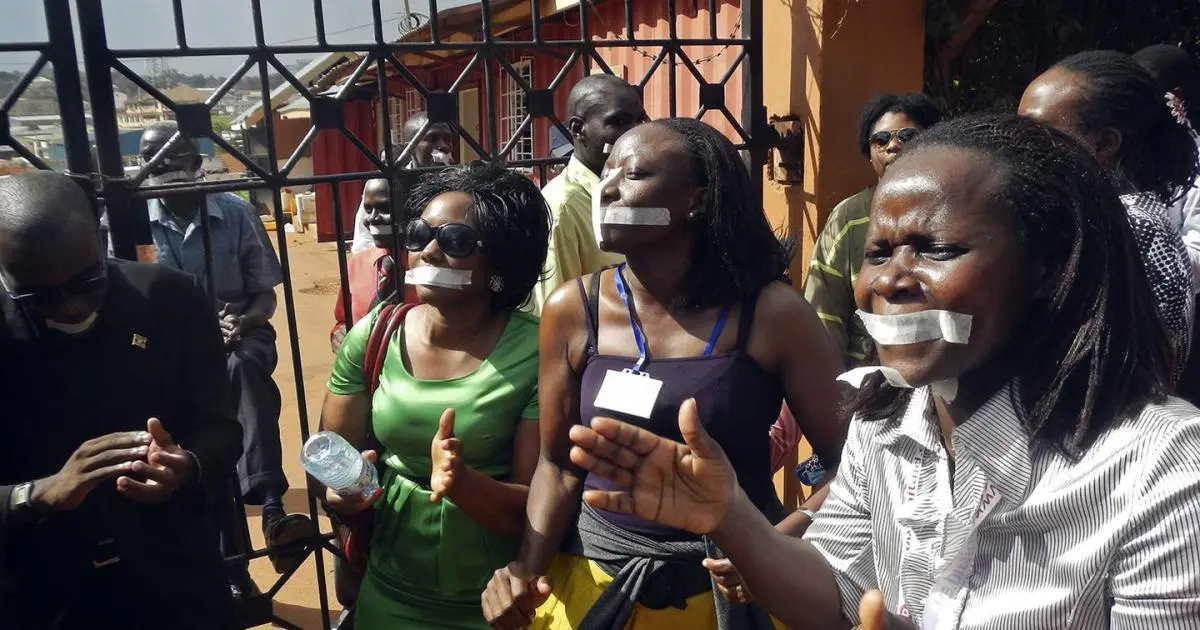
Other challenges include harassment of journalists, restrictive media laws, and political interference. These factors hinder both local and international organizations from fully supporting freedom and human rights.
7. Moving Forward: Ensuring Sustainable Freedom
Uganda’s freedom depends on a multifaceted approach involving government, civil society, international partners, and public support. Effective governance, international aid, grassroots activism, and diaspora advocacy all contribute to a more open society.
To sustain progress, stakeholders must:
- Protect media independence by funding diverse outlets and limiting government interference.
- Encourage civic participation through education and community programs.
- Engage international partners to maintain aid that promotes human rights and social development.
- Empower marginalized groups to participate in decision-making processes.
If these elements align, Uganda can progress toward a democratic society where freedom of expression, civil liberties, and equality are not only guaranteed but actively reinforced.
Conclusion
Uganda’s freedom is financed through a combination of domestic policies, international aid, civil society initiatives, diaspora engagement, and public support. While challenges persist, particularly regarding media independence and minority rights, coordinated action from all sectors can strengthen the country’s democratic foundations. Uganda’s path to freedom depends not just on money, but on commitment from citizens, activists, government institutions, and international partners to uphold human rights and ensure justice for all.