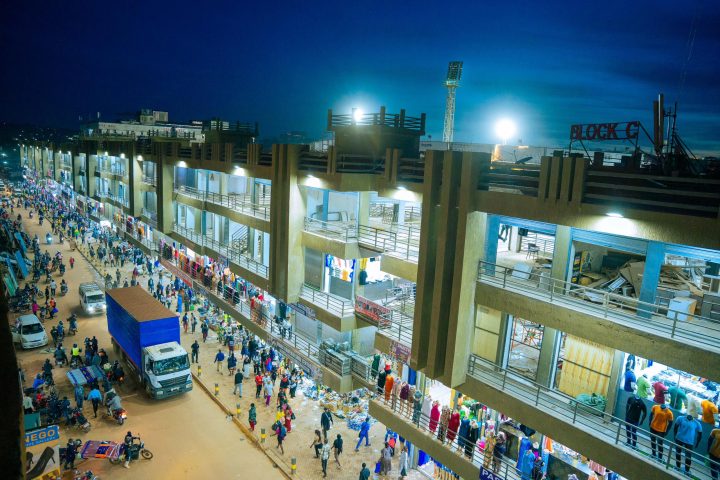
Uganda’s Independence Day, celebrated on October 9th, is far more than a national holiday. It is a day to honor resilience, unity, and the rich tapestry of cultures that define the nation. Each year, citizens gather to reflect on the journey since 1962 and to celebrate what makes Uganda unique. This year, as Uganda marks its 63rd independence anniversary, the celebration provides an opportunity to showcase achievements in culture, nature, economy, and diplomacy, while inspiring hope for the future.
A Rich Cultural Heritage
Uganda stands out for its diverse cultural heritage, which is one of its most defining features. Each of its many ethnic groups contributes to a colorful mosaic of traditions, music, and dance. The Baganda are famous for their royal dances and ceremonies, while the Bakiga and other ethnic groups celebrate with rhythmic drumming and folk performances. These cultural expressions are not only entertaining; they also preserve the stories and histories of generations past.
Institutions like the Semei Kakungulu Museum in Mbale play a crucial role in preserving Uganda’s heritage. The museum houses artifacts, documents, and personal effects of historical figures, highlighting Uganda’s journey from pre-colonial societies to modern governance. Honoring figures such as Semei Kakungulu, the museum ensures that future generations understand the leaders who helped shape the nation. Local communities also organize cultural festivals and storytelling events, keeping these traditions alive in everyday life.
Natural Beauty and Biodiversity
Uganda is often called the “Pearl of Africa”, a title given by Winston Churchill. The country’s landscapes range from snow-capped mountains to lush savannahs, providing a home to countless species of plants and animals. The Rwenzori Mountains, with their towering peaks, attract mountaineers and nature enthusiasts from across the world. Meanwhile, the Queen Elizabeth National Park offers expansive savannahs where elephants, lions, and hippos roam freely.
The Bwindi Impenetrable Forest is home to endangered mountain gorillas. Tourists and researchers travel from around the globe to see these majestic creatures in their natural habitat. Uganda has invested heavily in conservation, balancing tourism with environmental protection. Community programs teach locals how to protect wildlife and forests while earning a living, ensuring future generations can enjoy Uganda’s biodiversity.
Uganda’s rivers and lakes, including Lake Victoria and Lake Albert, also support fishing communities and provide water resources for agriculture. These natural wonders not only attract visitors but also form the backbone of local economies.
Economic Progress and Innovation
Over the decades, Uganda has made remarkable progress in several sectors. Agriculture remains a key economic driver. Coffee and tea production, for instance, has positioned Uganda as a major player in global markets. Smallholder farmers and cooperatives continue to produce high-quality crops that meet international standards.
The nation has also embraced technology and innovation. Mobile banking and fintech solutions have transformed commerce, enabling Ugandans to send money, pay bills, and access financial services from remote locations. Cities like Kampala and Entebbe have modernized infrastructure, with better roads, bridges, and telecommunications networks, enhancing trade and connectivity.
Despite these successes, challenges remain. Rural areas often face limited access to healthcare, education, and infrastructure. Efforts to promote equitable growth must continue, focusing on education, energy, and sustainable resource management. By investing in both urban and rural development, Uganda can maintain steady economic growth and improve living standards for all citizens.
Unity in Diversity
Uganda is home to over 50 ethnic groups, speaking more than 40 languages. Despite this diversity, the nation has maintained remarkable unity. Its motto, “For God and My Country,” reflects a collective spirit that transcends tribal and regional identities. Independence Day celebrations at the Kololo Ceremonial Grounds in Kampala bring together citizens from all walks of life. Attendees enjoy traditional dances, music, and performances, showcasing the country’s cultural richness and national cohesion.
National events often include speeches highlighting achievements and challenges, parades of the Uganda People’s Defence Forces, and awards to distinguished citizens. These ceremonies reinforce patriotism and remind all Ugandans of their shared history and collective responsibility.
Global Recognition and Diplomacy
Since independence, Uganda has actively participated in international affairs, building ties with neighboring nations and the global community. The country contributes to peacekeeping missions across Africa, participates in regional trade agreements, and collaborates on environmental initiatives. These efforts demonstrate Uganda’s commitment to stability, growth, and cooperation.
In 2024, the return of 39 cultural artifacts from the University of Cambridge symbolized international recognition of Uganda’s heritage. This restitution not only honored Uganda’s history but also highlighted the nation’s growing influence on the global stage.
Uganda continues to strengthen diplomatic ties through cultural exchanges, trade partnerships, and environmental cooperation. Such initiatives not only enhance Uganda’s reputation but also create opportunities for economic development and tourism.
Looking Ahead
As Uganda celebrates its 63rd Independence Day, it is important to acknowledge both progress and ongoing challenges. The nation’s rich cultural heritage, stunning natural landscapes, growing economy, and strong national unity form the foundation for a brighter future. Investments in education, infrastructure, technology, and sustainable development will ensure that Uganda continues to thrive.
Future priorities include expanding access to quality healthcare, promoting gender equality, and supporting rural development. Empowering youth through education and entrepreneurship will also be critical, as they represent the next generation of leaders, innovators, and caretakers of Uganda’s legacy.
Conclusion
Uganda’s Independence Day is a celebration of the past, a recognition of the present, and a hopeful gaze into the future. The 63rd anniversary reminds citizens of the nation’s resilience, unity, and unique cultural identity. From the majestic gorillas in Bwindi to the rhythmic drums of Kampala’s festivals, Uganda continues to shine as a nation of hope and opportunity.
By showcasing what makes Uganda exceptional—its heritage, natural beauty, economic progress, and global engagement—the country demonstrates both to its citizens and the world why it remains a symbol of pride and inspiration.
Uganda’s story is far from finished. With continued investment, unity, and innovation, the nation will keep building a legacy worthy of its independence and the dreams of its people.