Uganda’s Uganda inflation rate stayed low in 2025. It rose slightly to 3.6%, up from 3.3% in 2024. Yet it remained well below the Bank of Uganda’s 5% target.
This stability contrasts with Africa’s slowing startup investment. A recent report shows venture capital now focuses mostly on seed and early-stage deals. Large funding rounds were limited to just two by September 2025. Investor caution and undisclosed deals reflect growing uncertainty.
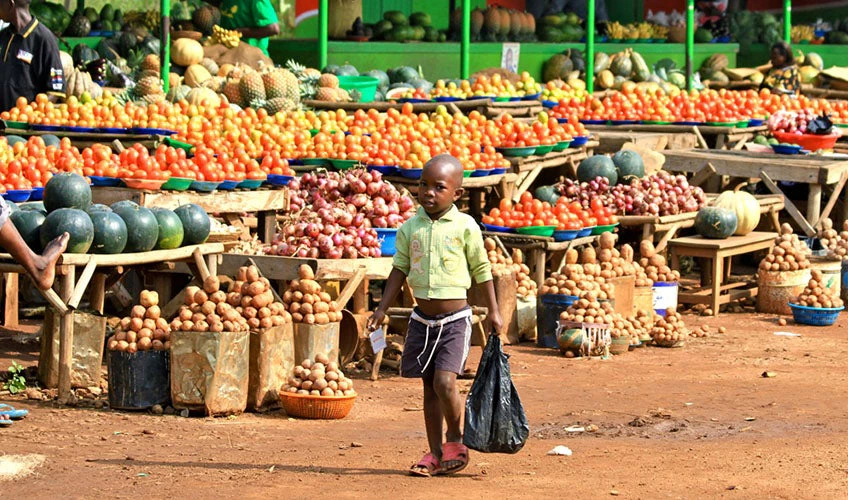
Meanwhile, Uganda’s controlled inflation has created predictability for households and businesses. Core inflation also ticked up—to 3.8% from 3.6%. Seasonal food price hikes and higher transport costs drove this increase.
“Prices of food crops and related items rose during the year,” said Aliziki K. Lubega of Ubos on December 31, 2025. “But Uganda’s inflation remains low compared to other countries.”
This price stability supports sound decision-making. For individuals, it protects purchasing power. For businesses, it enables confident planning and investment.
The Bank of Uganda keeps a 5% inflation target. This balances consumer protection with investor confidence. Normally, low inflation leads to lower interest rates. That should make borrowing cheaper for homes or business expansion.
However, a gap persists. The central bank’s policy rate is 9.75%. Yet commercial loans charge 18% to 23%. High credit costs still limit growth—especially for small firms.
Even so, banks are rolling out new financial products. These aim to boost lending across business sizes. Private sector activity remains strong. As a result, Uganda expects GDP growth of 6.5% to 7% in 2026.
Regionally, inflation is falling. The IMF forecasts Sub-Saharan Africa’s rate at 13.1% in 2025—down from over 20% in 2024. Further declines are expected in 2026.
Within the East African Community, Uganda stands out. Most partner states now report inflation below the EAC’s 8% threshold. This shows underlying pressures are easing.
In summary, Uganda’s Uganda inflation rate offers a solid foundation. While African startups struggle for funding, Uganda’s macroeconomic calm could attract cautious capital—if credit access improves and bottlenecks ease.
READ: ACFE Uganda Pushes for Tougher Anti-Fraud Measures During 2025 Awareness Week