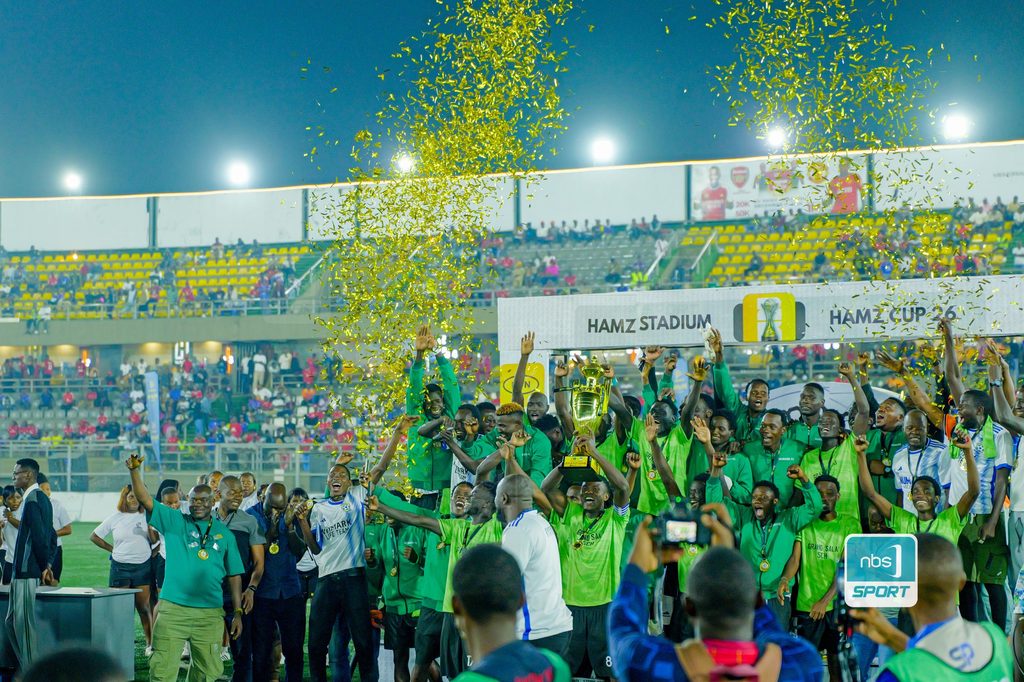
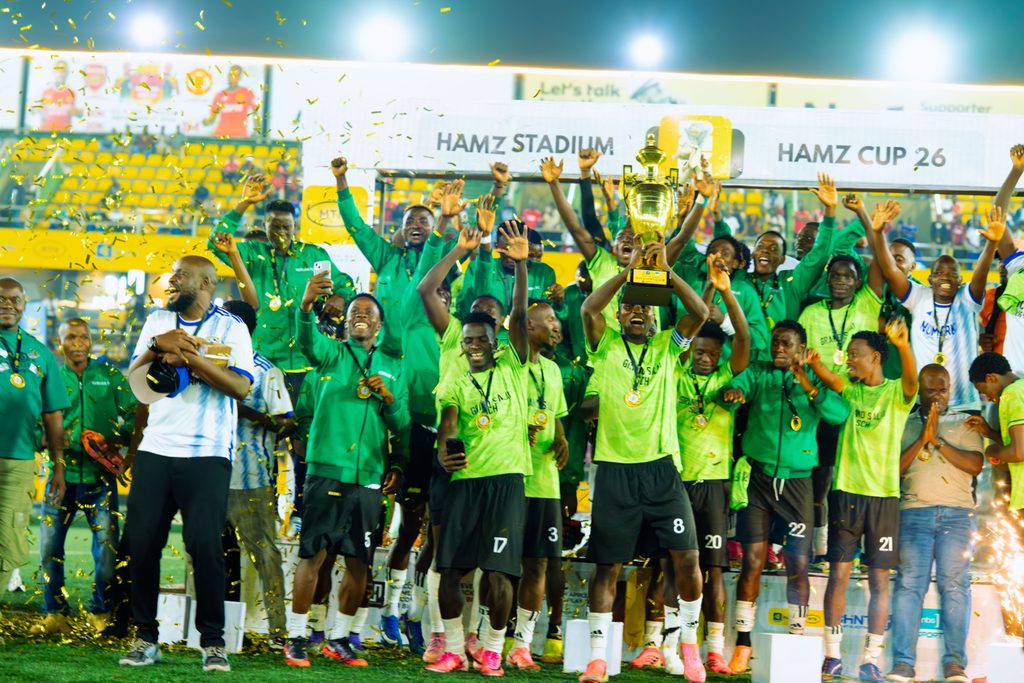
Nurmak Life Team FC defeated Manchester United Fans UG 3–2 on penalties after a goalless final at Hamz Stadium, bringing an eventful conclusion to a competition that has evolved from a community football initiative into one of Kampala’s increasingly prominent amateur sporting events.
KAMPALA, Uganda
When the final penalty was settled at Hamz Stadium on Saturday night, November 21, Nurmak Life Team FC had secured more than a football trophy. Their victory over Manchester United Fans UG brought the third edition of the Hamz Cup to a dramatic conclusion, underscoring the growing scale of a tournament that began as an initiative to connect traders, workers and communities through competitive football.
The championship was decided 3–2 on penalties after neither side could break the deadlock during 120 minutes of play. Goalkeeper Bashir Ssenyonga emerged as a central figure in Nurmak Life’s triumph, producing two saves during the shootout to help his team claim the title and a UGX 50 million first-place prize.
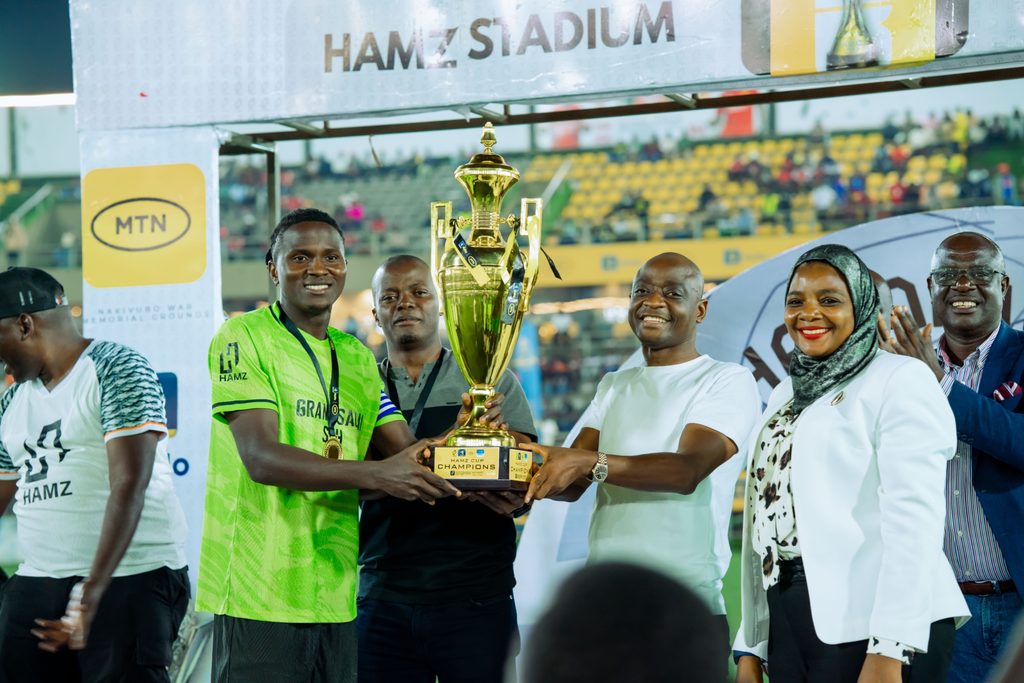
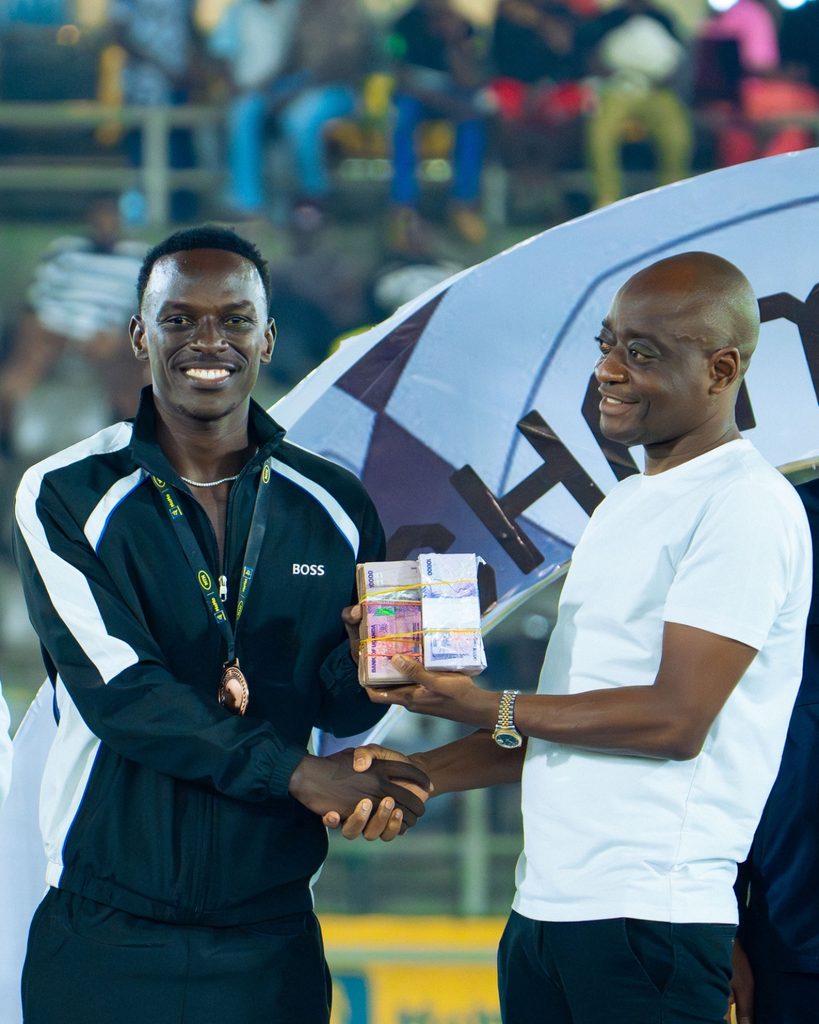
For Manchester United Fans UG, the defeat ended a campaign that had carried the team to the final of an increasingly competitive tournament. The runners-up received UGX 25 million.
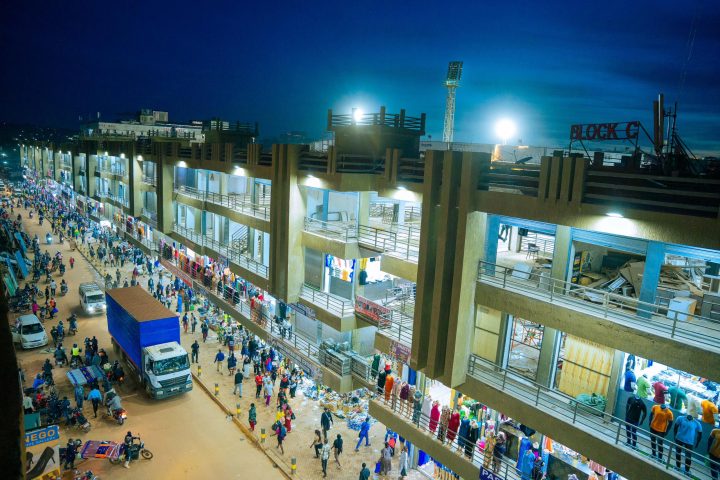
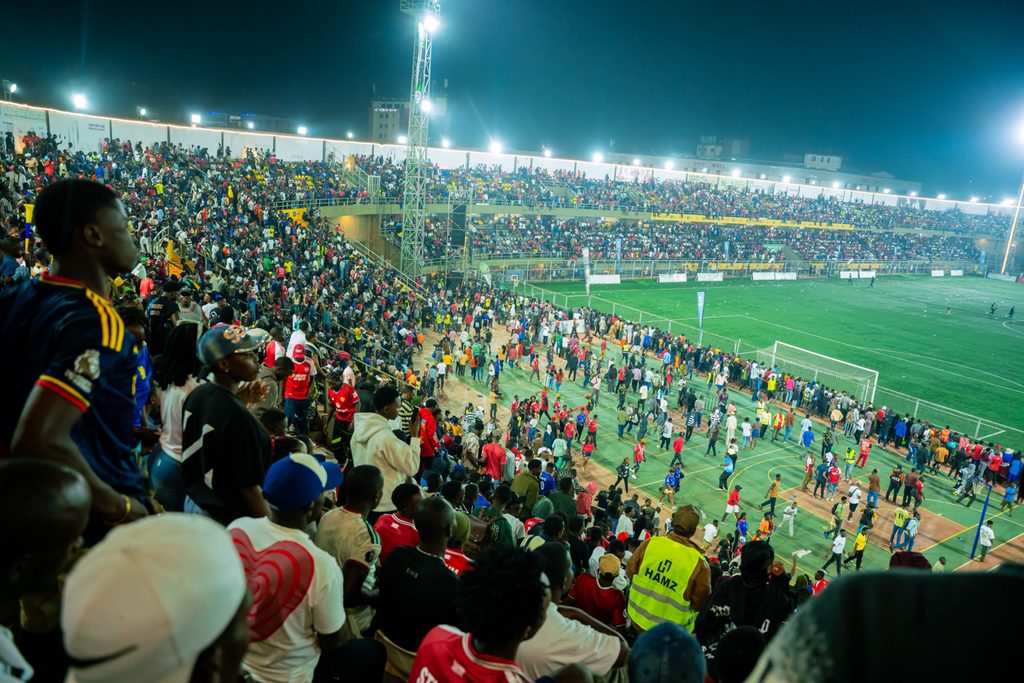
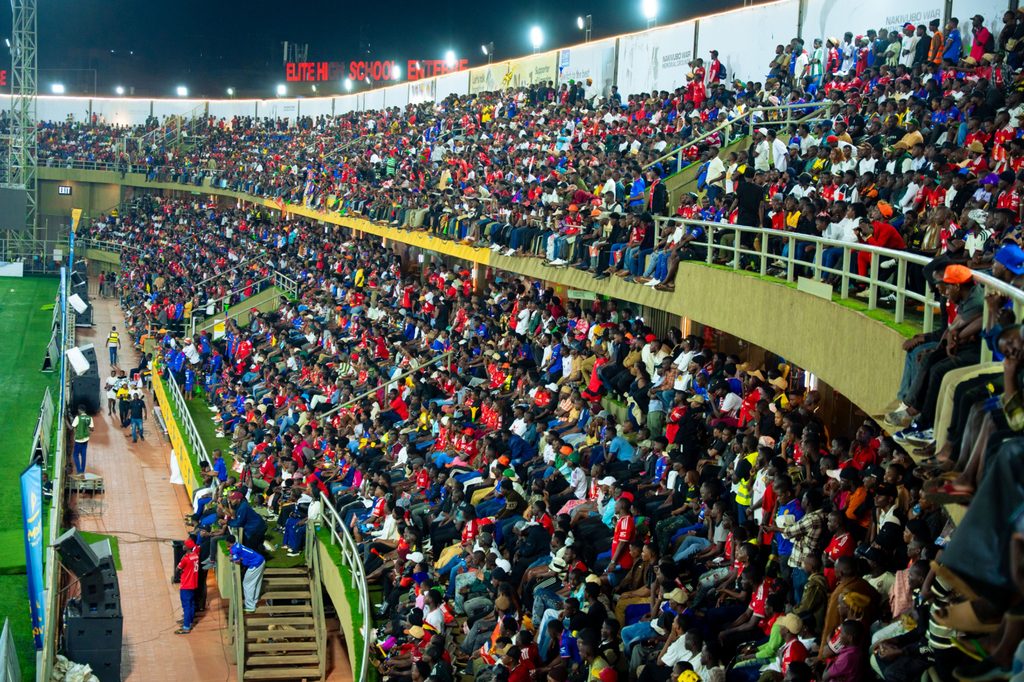
The final formed part of a wider programme of football and entertainment at the redeveloped Nakivubo War Memorial Grounds, now known as Hamz Stadium. Thousands of supporters attended the occasion, which brought together amateur footballers, commercial communities, entertainers and spectators from across Kampala.
Although published reports differed on the precise attendance, the substantial turnout illustrated the public interest the tournament has generated beyond its original circle of participants.
The occasion also reflected the ambitions of businessman Hamis Kiggundu, the founder of the Hamz Cup and the driving force behind the redevelopment of Nakivubo Stadium. What began as a competition among teams associated with commercial establishments has developed into a larger annual sporting event, combining football, financial incentives and community participation.
A Final Decided by the Narrowest Margins
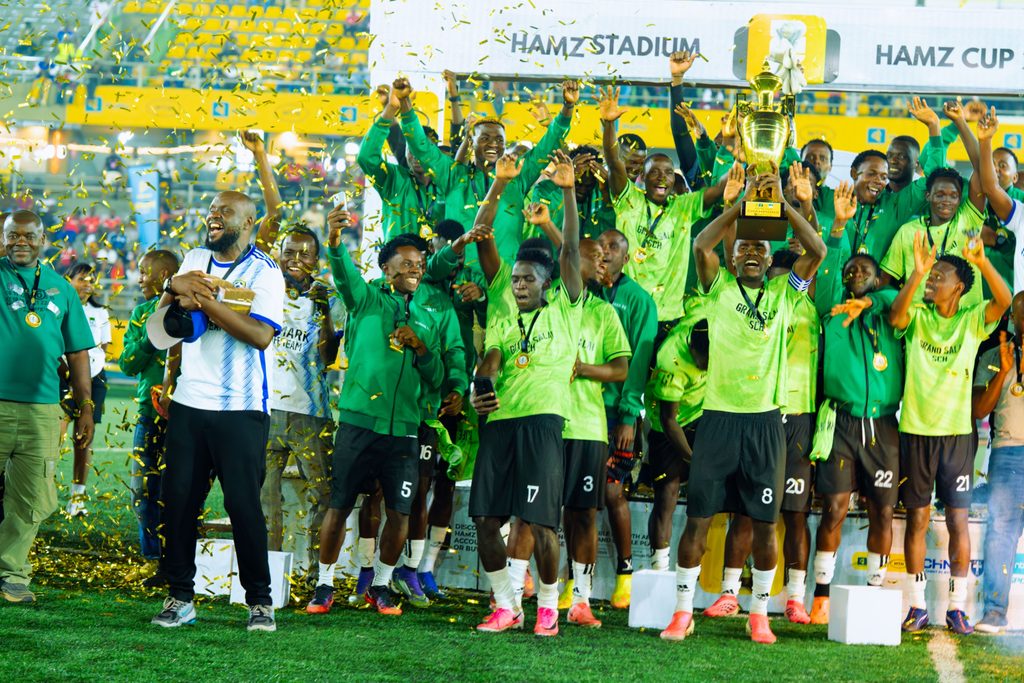
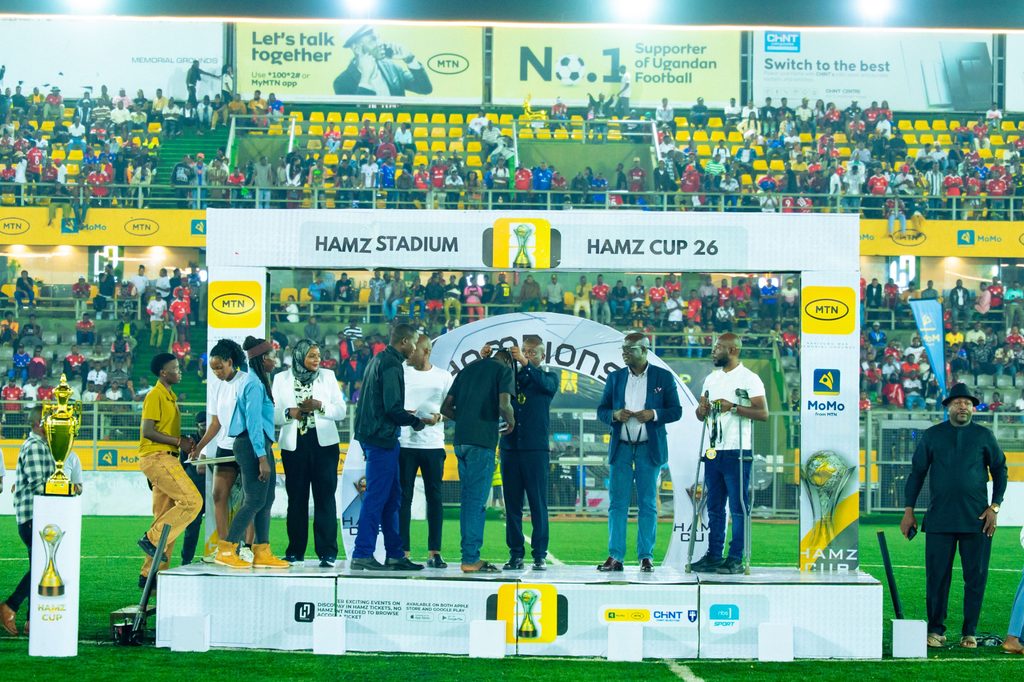
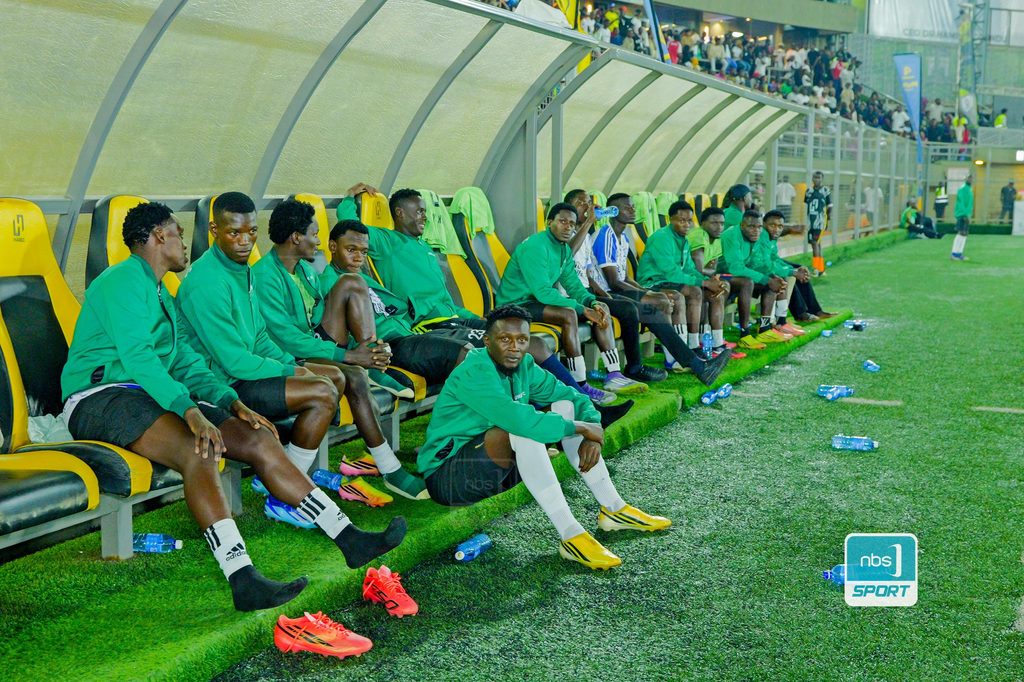
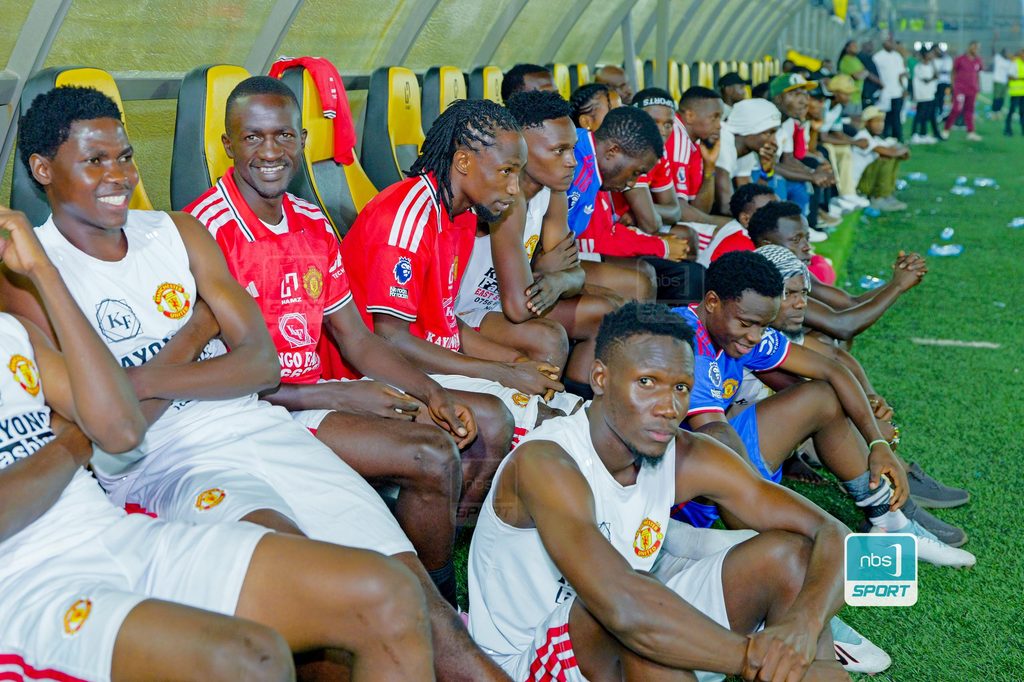
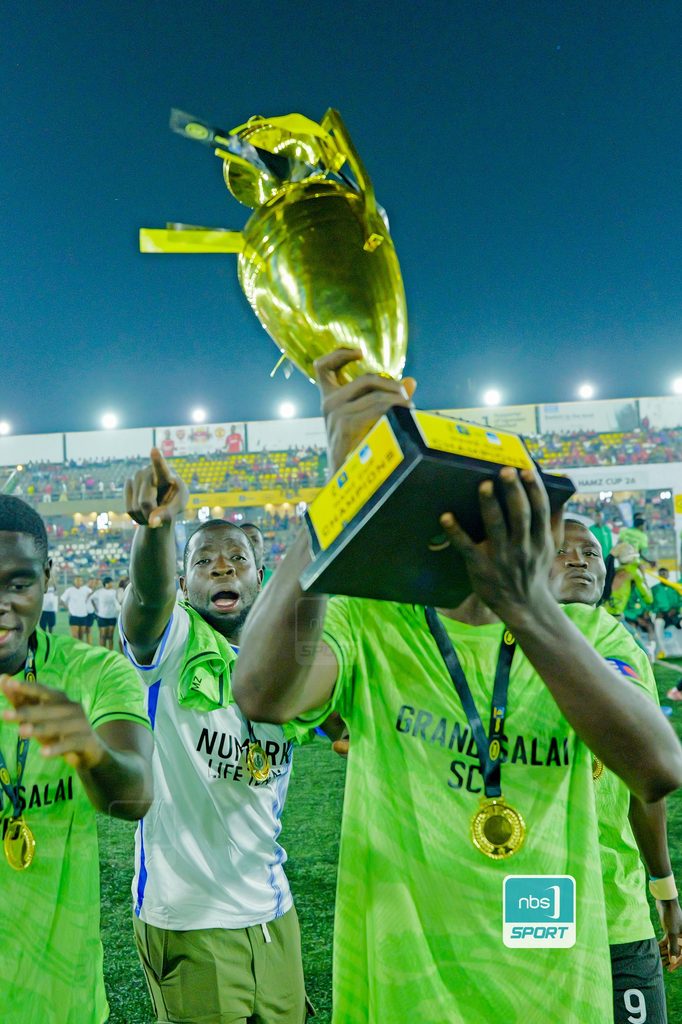
The contest between Nurmak Life and Manchester United Fans UG unfolded as a closely fought encounter in which neither side was able to establish a decisive advantage.
Despite the stakes and the anticipation surrounding the final, regulation time ended without a goal. An additional 30 minutes failed to produce a breakthrough, leaving the championship to be decided from the penalty spot.
For Nurmak Life, Ssenyonga’s intervention proved decisive.
The goalkeeper saved two penalties in the shootout, helping his side secure a 3–2 victory and bringing an end to a contest that had remained unresolved throughout open play.
Penalty shootouts can reduce an extended contest to a handful of individual decisions. In this instance, the outcome placed Ssenyonga at the centre of the championship story, although the result also reflected the collective effort required to reach the final.
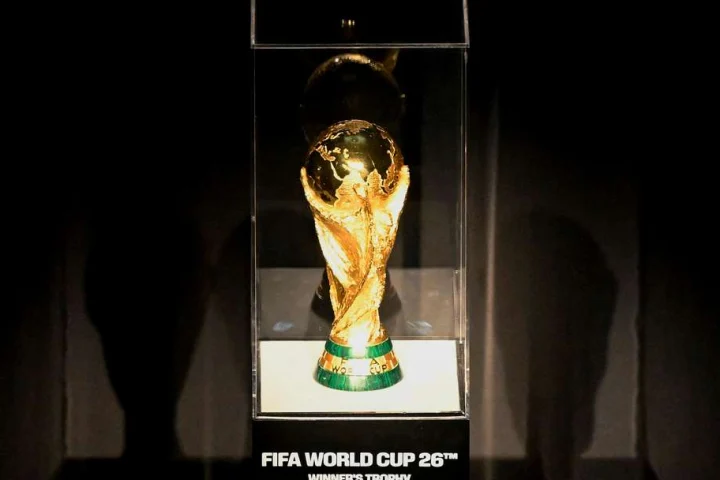
The victory secured Nurmak Life the tournament’s principal financial award of UGX 50 million, alongside the championship trophy and the distinction of winning the third edition.
Manchester United Fans UG, whose campaign ended one step short of the title, received UGX 25 million.
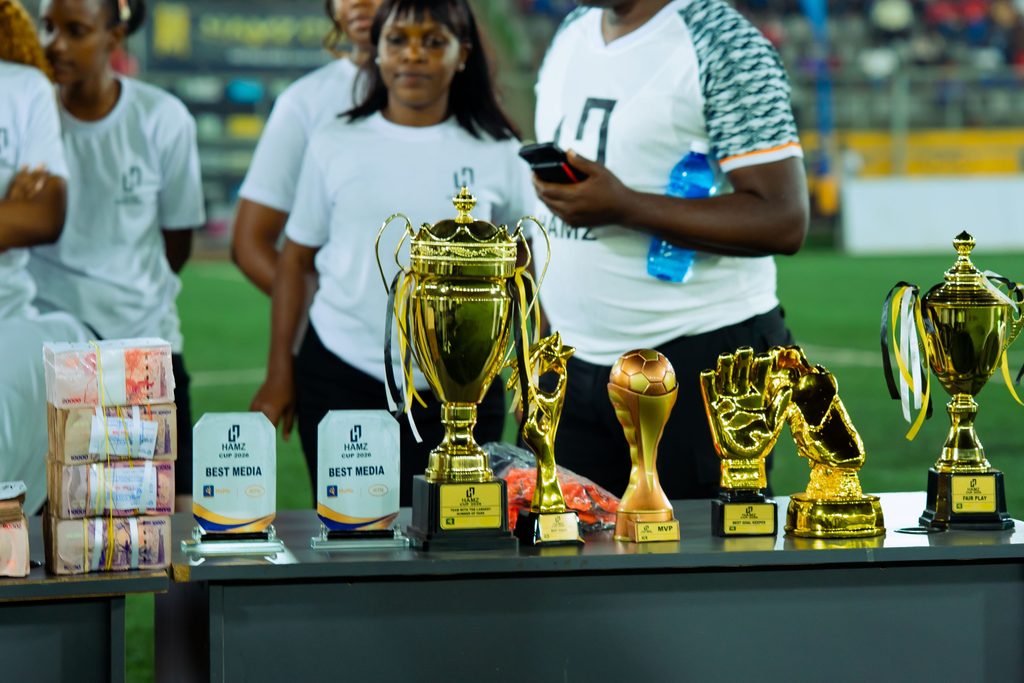
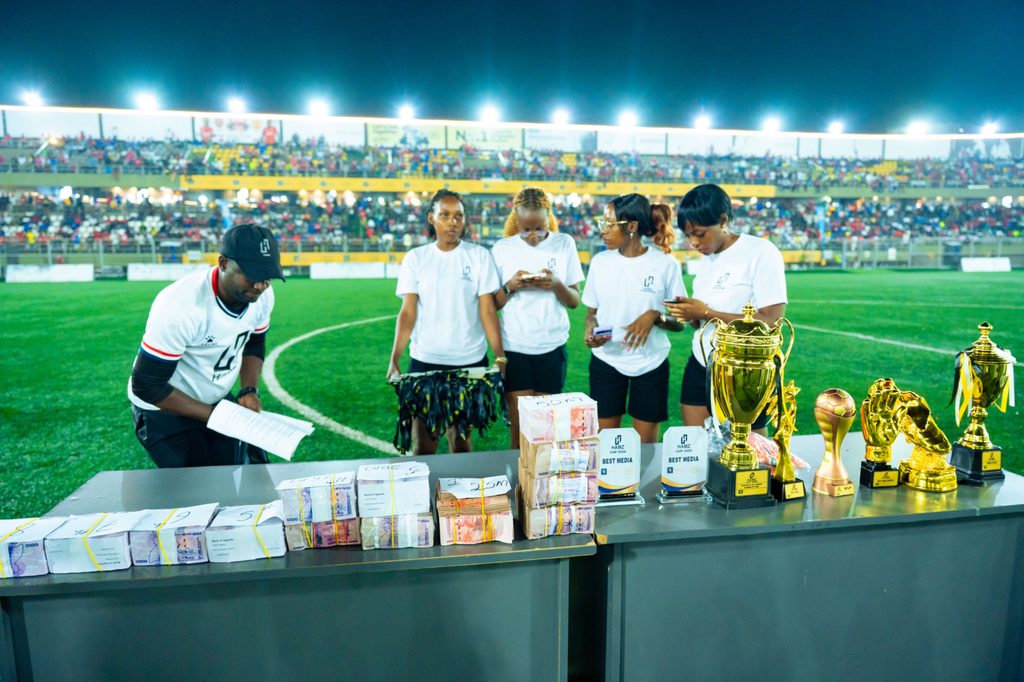
The financial rewards demonstrated the increasing importance of prize money within the competition. For participating amateur teams, such awards can provide resources that extend beyond the immediate celebration of victory, potentially supporting equipment, training, administration and future participation.
The final was not the only competitive fixture on the programme.
Block F defeated TikTok FC in the third-place playoff, securing UGX 20 million, while TikTok FC received UGX 15 million for finishing fourth.
Together, the four principal finishing positions accounted for UGX 110 million of the UGX 160 million distributed in prize money and awards during the 2026 Hamz Cup final, illustrating the scale of the financial commitments attached to the tournament.
A Stadium Transformed Into a Community Gathering
The atmosphere surrounding the final was as much a part of the occasion as the football itself.
Supporters arrived at Hamz Stadium for a programme that combined the concluding matches with musical performances and other entertainment activities.
The gathering brought together people whose interest in the event extended beyond allegiance to any single team. For some, the attraction was competitive football; for others, it was an opportunity to experience a major public event at Nakivubo.
Reports published after the final described a heavily attended stadium, although estimates of the crowd varied. Without an independently established official attendance figure, claims that the occasion set a stadium record remain difficult to substantiate.
Nevertheless, the turnout demonstrated the ability of a community-based football competition to attract an audience beyond its participating teams.
The programme also featured performances by prominent Ugandan musicians, adding a broader entertainment dimension to the championship.
Organisers incorporated audience promotions into the event, including a draw in which five supporters were awarded cows.
Such activities helped position the final as a public celebration rather than a conventional amateur football fixture.
They also reflected a broader feature of the Hamz Cup’s development: its effort to combine competitive sport with community engagement, entertainment and commercial participation.
That combination has become central to the tournament’s identity.
The Origins of the Hamz Cup
The Hamz Cup was established in 2024 by Dr. Hamis Kiggundu, the Ugandan businessman who founded Ham Group and led the redevelopment of the historic Nakivubo War Memorial Grounds.
Its original purpose was to bring together people working and conducting business within commercial communities associated with Ham Group’s establishments.
These included traders and other participants connected to Ham Shopping Grounds, Bya’Allah Mall, Ham Towers, the White House and surrounding commercial communities in Kampala.
The idea was relatively straightforward: create an organised football competition through which people who interacted primarily in commercial settings could meet in a different environment, compete as teams and develop stronger social connections.
Dr. Kiggundu also viewed the tournament as an opportunity to encourage local sporting participation while making greater use of the redeveloped stadium.
At the inaugural launch, he explained that the stadium should be enjoyed not only by outside visitors and professional teams but also by the communities associated with its development and surrounding commercial activities.
The tournament was conceived as an annual competition, giving participating communities a recurring sporting event rather than a one-off gathering.
Its founding rationale linked football with a wider objective of social interaction.
For traders and workers whose daily routines often revolve around business activities, the competition offered an alternative setting in which commercial relationships could develop into sporting rivalries, friendships and shared experiences.
The significance of that approach lies less in any claim that football alone can transform communities than in the practical opportunities created by regular participation.
Organised sport can bring people into contact across occupational and social boundaries, while structured competitions offer participants goals, responsibilities and a shared sense of belonging.
The Hamz Cup sought to apply those principles within a commercial environment that had not traditionally been organised around formal football competitions.
The First Edition: Block G Establishes the Tradition
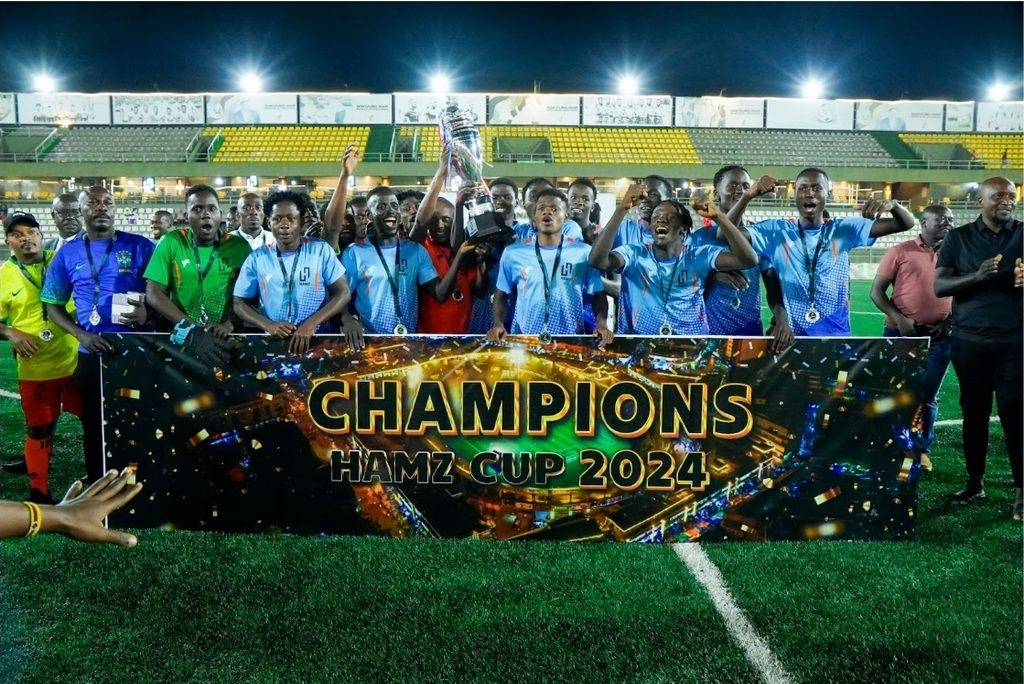
The inaugural Hamz Cup culminated on December 13, 2024, at Hamz Stadium, with 16 participating teams competing for a total principal prize pool of UGX 50 million.
The competition’s early structure reflected its origins among teams representing different commercial blocks and establishments.
Block G emerged as the first champions after defeating Block F in the final, with the decisive goal coming in the 75th minute.
The victory earned Block G UGX 20 million, while Block F received UGX 15 million as runners-up.
In the third-place playoff, Kafumbe United defeated White House 7–3, securing UGX 10 million. White House received UGX 5 million for finishing fourth.
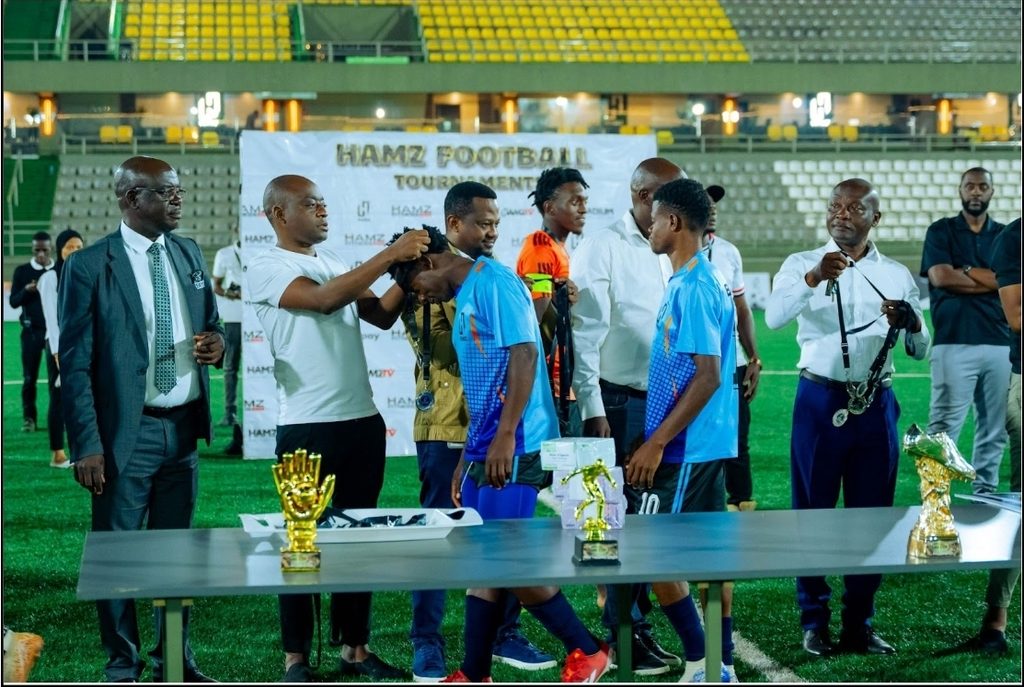
The tournament also recognised individual performances through awards for outstanding players and coaches, while additional incentives encouraged supporter participation.
For the organisers, the inaugural edition established a model combining competitive football, financial rewards and public entertainment.
For the participating teams, it demonstrated that a competition originating within commercial communities could develop into an organised tournament with a recognised championship and substantial prizes.
Block G’s victory became the first entry in the competition’s history, providing a foundation for subsequent editions.
The Second Edition: Arrows FC Take the Title
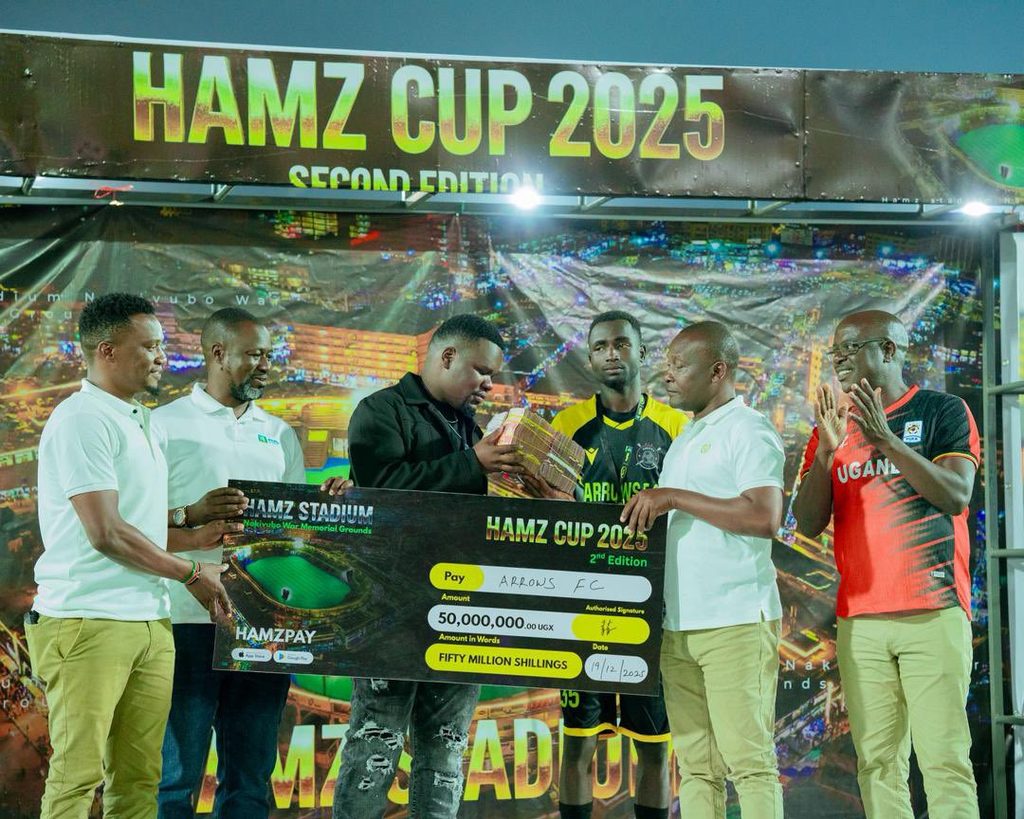
The Hamz Cup returned in 2025 with an expanded field of participants, demonstrating the organisers’ intention to develop the tournament beyond its inaugural format.
Arrows FC emerged as champions of the second edition after defeating Kafumbe One 1–0 in the final.
The narrow result illustrated the competitive margins that had begun to characterise the tournament’s decisive matches.
Arrows FC received UGX 50 million and a bull for their championship victory.
The second edition represented an important stage in the tournament’s development.
Where the inaugural competition had introduced the concept and established its basic structure, the 2025 edition demonstrated continuity and provided evidence that the event could be sustained beyond its first year.
The increase in participation and championship rewards also indicated that the competition was developing a more substantial organisational and financial profile.
By the end of the second edition, the Hamz Cup had produced two different champions: Block G in 2024 and Arrows FC in 2025.
That sequence established a competitive history against which future tournaments could be measured.
The Third Edition: A Wider Competitive Field
The 2026 edition brought together 32 teams, according to the tournament background, continuing the Hamz Cup’s development as a recurring community and amateur football competition.
The larger field reflected the organisers’ ambition to sustain participation while creating a more extensive competitive programme.
Unlike professional league competitions, which operate through established club structures, community tournaments often draw teams from a variety of social, commercial and informal sporting networks.
That flexibility can make them accessible to participants who might otherwise have limited opportunities to compete in organised football at prominent venues.
It also creates challenges.
As participation grows, organisers must address scheduling, officiating, disciplinary procedures, team eligibility, financial commitments and the logistical demands of managing a larger competition.
The Hamz Cup’s continued development will therefore depend not only on its ability to attract spectators and offer substantial prizes but also on the consistency and transparency of its sporting administration.
The 2026 final provided a prominent conclusion to the third edition, with Nurmak Life joining Block G and Arrows FC on the tournament’s list of champions.
Three editions have now produced three different winners, an early indication of competitive variety within the tournament.
Dr. Hamis Kiggundu’s Vision and the Role of Nakivubo
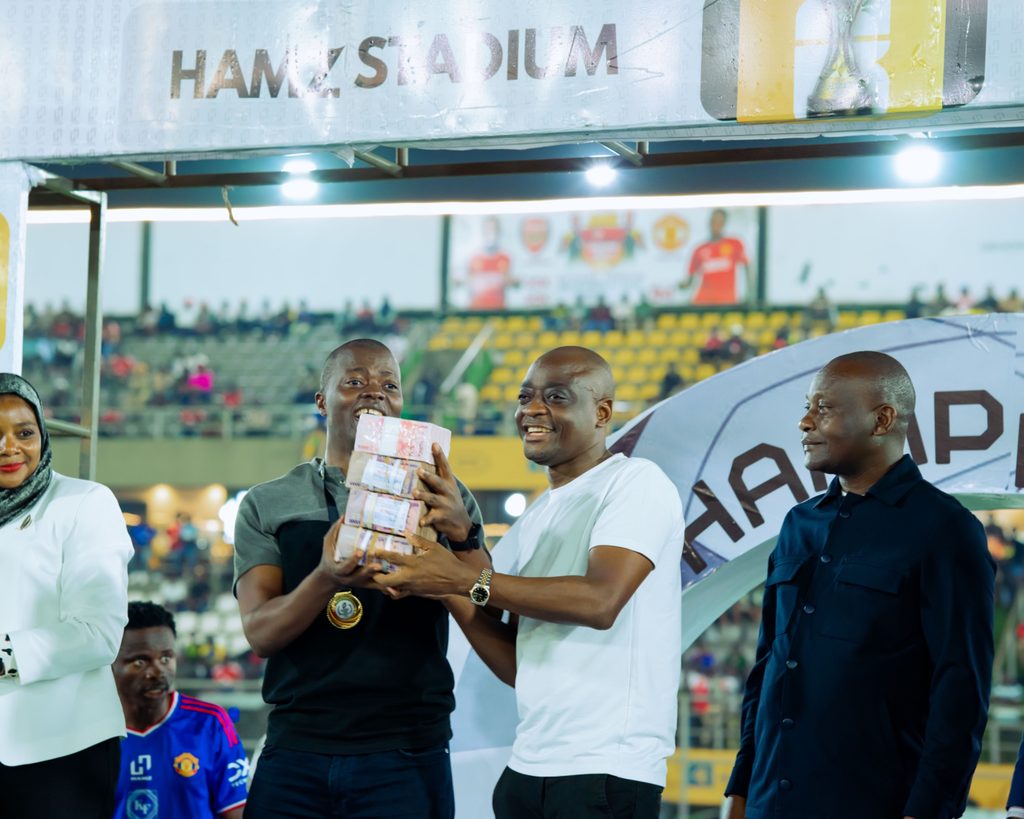
The Hamz Cup cannot be separated from the redevelopment of Nakivubo Stadium or from the ambitions of its founder.
Dr. Kiggundu’s investment in the historic sporting venue created the setting in which the tournament has developed.
The stadium occupies a significant place in Kampala’s sporting and commercial landscape, surrounded by some of the city’s busiest trading areas.
Its redevelopment provided an opportunity to reconnect organised sporting activity with communities whose livelihoods are closely associated with the surrounding commercial district.
The Hamz Cup was one expression of that approach.
Rather than reserving the venue exclusively for established professional football fixtures and major commercial events, the tournament created opportunities for amateur teams to compete at a stadium with a prominent place in Ugandan football.
For participants, the experience of playing at Nakivubo can carry significance beyond the result.
Access to a major sporting venue, the presence of spectators and the prospect of financial rewards can give community footballers an experience that differs substantially from informal matches.
For Dr. Kiggundu, the competition also reflects a stated belief that investment in physical infrastructure should be accompanied by activities that encourage public participation.
Yet the tournament’s long-term significance will be determined by outcomes rather than ambition alone.
Its contribution to Ugandan football will be more clearly established through sustained participation, effective organisation, opportunities for emerging players and the development of structures that allow the competition to remain accessible.
Financial incentives and large crowds can attract attention. Lasting sporting value requires continuity, credible competition and benefits that extend beyond a single final.
Prize Money and the Economics of Amateur Football
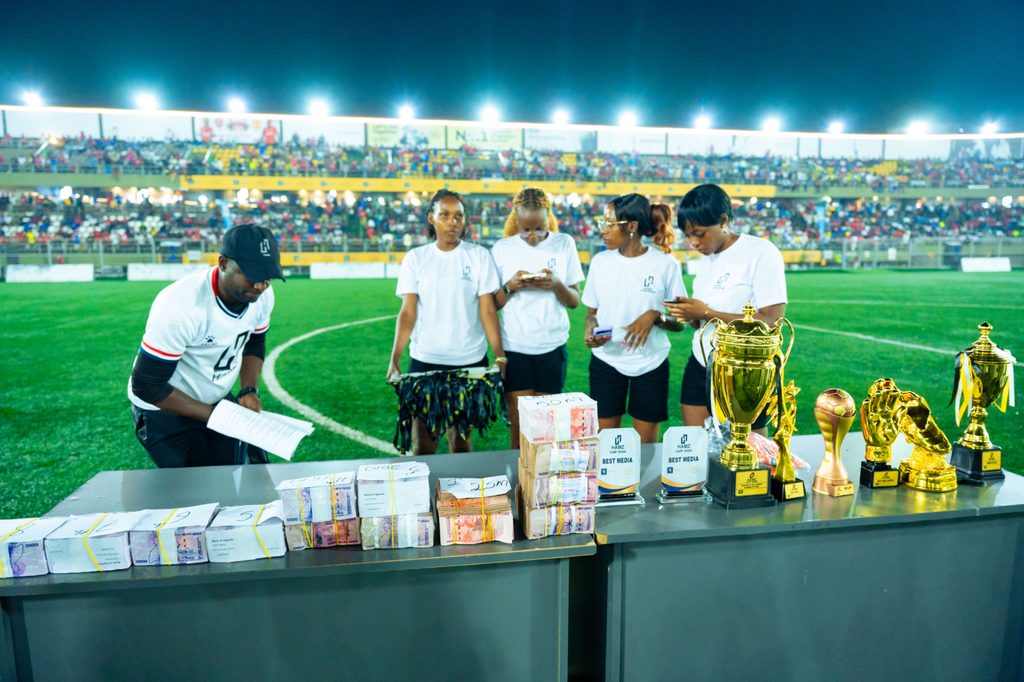
The Hamz Cup’s financial awards have become one of its most distinctive characteristics.
The inaugural edition in 2024 distributed a total of UGX 50 million in prize money and awards. By the third edition in 2026, that figure had risen to UGX 160 million, more than tripling the tournament’s overall prize allocation in just two years.
That increase reflects a significant expansion in the competition’s financial scale.
For amateur teams, prize money can provide practical support in an environment where participants may face challenges meeting the costs of transport, equipment, training and administration.
However, financial rewards alone do not necessarily translate into sustainable sporting development.
Their wider impact depends on how teams use the funds, whether participants receive meaningful support and whether the competition encourages continued involvement beyond the pursuit of immediate prizes.
There is also a distinction between the size of a prize fund and the overall cost of organising a tournament.
Venue operations, security, officiating, entertainment, logistics and other expenditures may represent substantial additional commitments.
The Hamz Cup’s economic significance therefore cannot be measured solely by the amount awarded to winning teams.
Its broader value lies in the interaction between sporting participation, public attendance, commercial activity and the use of an established urban venue.
As the tournament develops, greater public information about its organisation and sporting outcomes would help establish a clearer understanding of its long-term contribution.
Beyond the Trophy
Nurmak Life’s victory will be remembered for the composure required to survive a goalless final and the decisive contribution of goalkeeper Bashir Ssenyonga.
For Manchester United Fans UG, the defeat represented a narrow and painful conclusion to a campaign that had carried the team to the championship match.
For the wider competition, the final marked another stage in a tournament whose identity continues to evolve.
The Hamz Cup began as an initiative connecting commercial communities through football. Three editions later, it has established an annual competitive tradition, attracted a wider field of participants and developed a programme combining sporting contests with substantial prizes and entertainment.
Its growth illustrates the possibilities of community sport when access to facilities, organisational support and public interest converge.
Whether the tournament develops into a lasting institution within Uganda’s amateur football landscape will depend on how effectively those elements are sustained.
For now, the third edition has added another chapter to its emerging history.
Block G won the inaugural championship in 2024. Arrows FC followed in 2025. On November 21, 2026, Nurmak Life became the third name on the list.
And at Nakivubo, a competition originally conceived to bring people together through football ended another season by demonstrating how widely that invitation could resonate.